You dream of easing into your own protected slip, stepping ashore, and being home within minutes. In Lyford Cay, that vision can be real, but the details matter. As a yacht owner, you care about secure moorage, quick ocean access, and the fine print around docks, slips, and storm planning. Here, you’ll find a clear guide to how Lyford Cay works for boaters, what to verify before you buy, and how to operate smoothly once you’re in residence. Let’s dive in.
Why Lyford Cay works for yacht owners
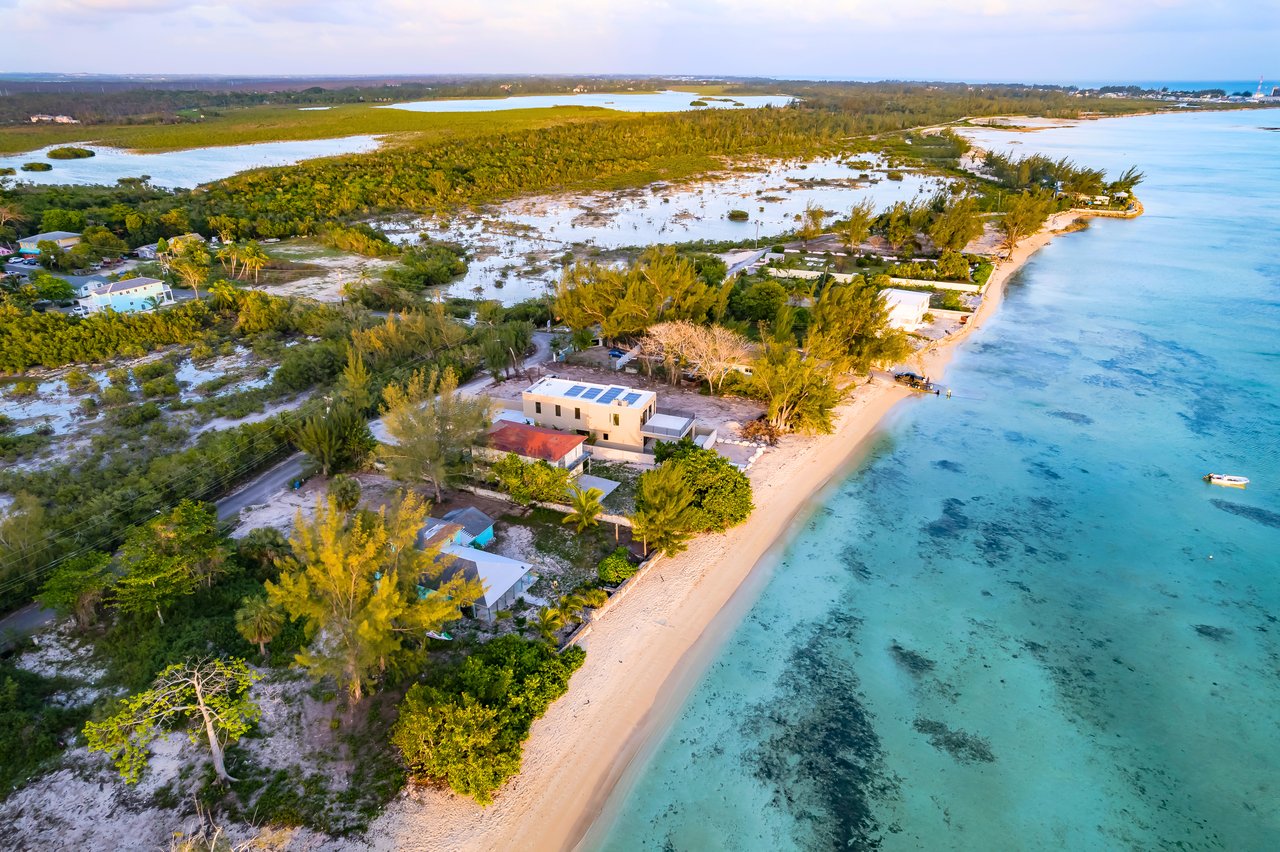
Lyford Cay sits on the western tip of New Providence, right off the Atlantic approaches to Nassau. You get fast runs to downtown Nassau for services and direct access to the Out Islands, including the Exumas, Berries, and Andros. It is close to the international airport, which makes crew and guest logistics simple.
Privacy and security are core to the community’s appeal. The Lyford Cay Club and gated association maintain controlled access and an elevated residential setting. For yacht owners who want quiet waterfront living rather than a busy public marina, that balance is compelling.
Plan for operations in Nassau when you need heavy services. Fueling, haul-out, and major repairs are typically handled in Nassau’s commercial harbor areas. Lyford Cay gives you the home base and protected moorage. Nassau provides the working waterfront.
Homes, docks, and slip access
Private residential docks
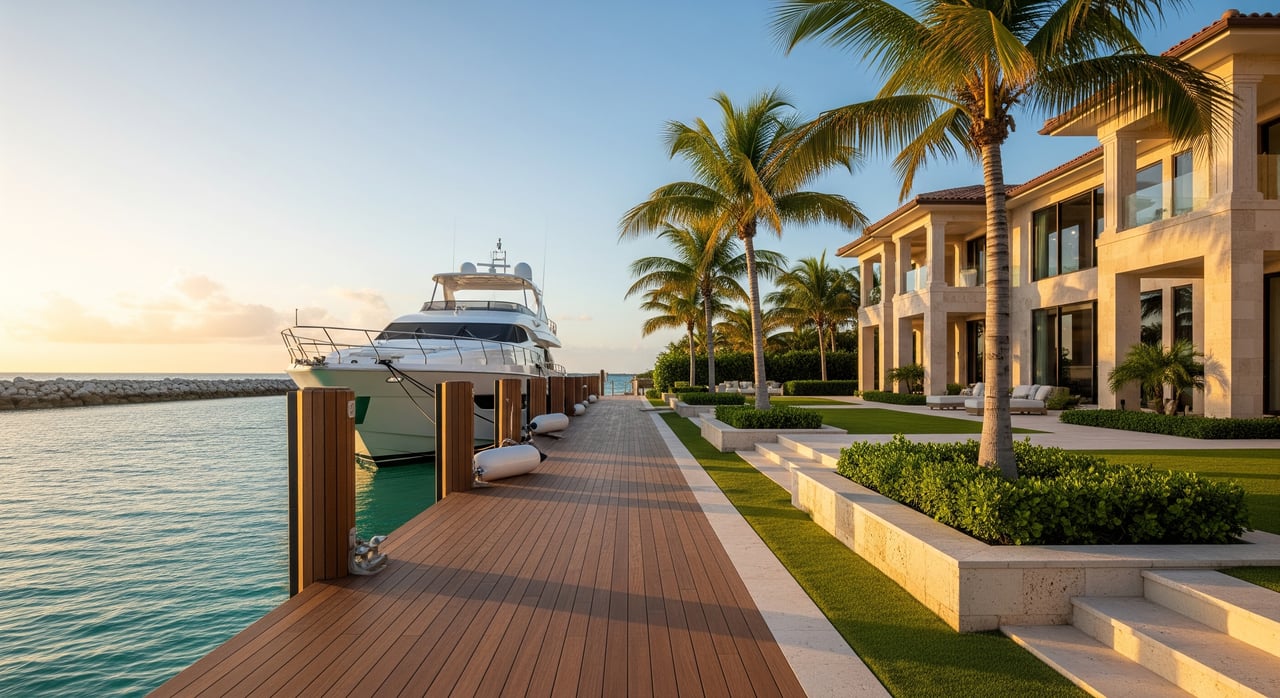
Waterfront homes in Lyford Cay may include private docks, but ownership and usage models vary. A dock can be a deeded appurtenance to the property, a licensed structure under an agreement with the association, or subject to separate terms. Always confirm the legal status in writing and review title and survey documents.
If a listing references a slip, verify whether it transfers with the home or requires a separate agreement. Ask for the governing documents that define how you can use, maintain, or modify the dock.
Club marina slips and programs
The Lyford Cay Club operates marina facilities and slip programs for members. Availability, vessel size limits, and membership criteria can change. If a home relies on club moorage, confirm membership requirements, any waitlists, and whether your vessel can be accommodated during peak season.
Utilities and services to verify
At any prospective slip or dock, verify:
- Shore power specifications, including voltage, phase, and amperage.
- Freshwater availability and pressure at the pedestal.
- Pump-out access and schedule for waste.
- Internet or phone service if you need connectivity onboard.
- Lighting, ladder access, and security features.
- Cleat and piling capacity relative to your vessel’s displacement and windage.
Fuel service on private docks is not guaranteed. Plan to refuel in Nassau unless a confirmed, compliant fueling option exists for your dock.
Depths, channels, and dredging
Bathymetry shifts over time. Do not rely on marketing copy for depths. Ask for recent dock and seabed surveys that show depths at mean low water, plus the access channel profile to your berth. Confirm who maintains dredging, if needed, and whether costs fall to the homeowner, the association, or a club program.
Construction and hurricane resilience
Inspect materials and engineering. Fixed pile and floating docks are common, often with composite decking. Look for robust pilings, quality fasteners, appropriately sized cleats, and a clean electrical installation that includes safety devices. A written hurricane plan is essential. Confirm tie-off points, redundancy in lines, fendering strategy, and how you will secure or relocate the vessel in a storm.
Environmental and pump-out compliance
Any seabed disturbance, such as piling work or dredging, typically requires environmental review and permits. Be sure the dock’s history includes permits for prior work and that current use aligns with regulations. Confirm pump-out access. Discharging sewage is regulated, so plan for holding tank management and scheduled pump-outs.
Navigation and operations
Nautical approach and charts
Use official, up-to-date charts and local Notices to Mariners when approaching New Providence. Conditions change with shoaling and weather. Local knowledge from the marina manager or harbor authorities is valuable, especially if your draft is near local limits. Tides are modest, but wind systems and squalls can be significant. Always check the forecast.
Customs, immigration, and cruising permits
All foreign-flag vessels entering The Bahamas must clear Customs and Immigration and obtain a cruising permit. Nassau is a formal port of entry. Keep passports, vessel registration, proof of ownership, and permit paperwork ready. Departure clearance is also required when leaving The Bahamas.
Fuel, provisioning, and repairs
Plan major fueling in Nassau’s harbor areas. If fuel delivery to private docks is allowed, confirm procedures and safety requirements in advance. Provisioning and chandlery suppliers are available in Nassau, which keeps turnaround times short. For haul-out, bottom work, paint, welding, and engine service, schedule with Nassau yards, particularly before peak season.
Rules and guest moorings
Community and club marinas set policies on transient usage, guest berths, length of stay, and conduct. Expect stricter guest protocols than public marinas. If you plan to host visiting boats, confirm how guest moorage is handled and what approvals are required.
Hurricane season planning
Hurricane season runs from June 1 through November 30. You should have a written plan that covers when to haul, where to relocate, and how you will rig heavy-weather lines if staying in the water. Consider pre-booking haul-out slots and coordinating with your insurer to align mitigation steps with coverage requirements.
Legal, regulatory, and insurance essentials
Title, easements, and covenants
Clarify the dock’s legal status. Review the deed, title documents, survey plats, and any association covenants. Look for restrictions on dock alterations, guest usage, and slip rentals. Confirm who pays for maintenance and what approvals you need for changes.
Permits and approvals
New construction, piling work, and dredging typically require government permits and environmental approvals. Expect to use licensed contractors for structural and electrical work, with inspections as needed. The association may also have its own architectural and dock approval process.
Vessel registration, taxes, and fees
You can keep a vessel under a foreign flag in The Bahamas, but be clear on registration rules, tax treatment, and customs procedures for extended stays or temporary admission. Property transactions in Lyford Cay can involve transfer taxes, stamp duties, and community fees. Confirm specifics for your situation with qualified advisors.
Insurance
For the yacht, verify hull and liability coverages that include named-storm protection, salvage, and wreck removal. Insurers often require a hurricane plan and may specify standards for dock construction or mooring setups. For the property, check whether any association policy covers shared dock infrastructure or if you need dedicated coverage for your private dock.
Advisors you will want
Work with a maritime lawyer experienced in Bahamian matters, a local marine surveyor for dock and seabed assessments, a licensed marine electrician and contractor for compliance work, and a marine insurance broker who understands Bahamian storm exposures. Engage the Lyford Cay marina manager early for slip rules and operational guidance.
Buyer’s due diligence checklist
Before you make an offer
- Confirm whether the dock or slip is deeded, licensed, or separately leased. Get it in writing.
- Request a dock and seabed survey from the last 12 months showing depths at mean low water and the access channel profile.
- Verify shore power specs, water availability, and pump-out options.
- Clarify association and club rules, membership requirements, waitlists, and fees.
- Share dock and vessel details with your marine insurer to confirm coverage and premiums.
Inspection and condition review
- Examine piling condition, fasteners, cleats, and fendering for your vessel’s displacement and beam.
- Inspect electrical systems, including GFCI protection and wiring method suited to a marine environment.
- Confirm slip length and arrangement fits your LOA and tender.
- Review storm readiness features and a written hurricane plan.
- Check environmental permit history for prior construction or dredging.
Key questions for the seller or listing agent
- What is the dock’s legal status, and do you have supporting survey/title documents?
- When were pilings and the electrical system last inspected or upgraded?
- Are there known shoaling issues or recent dredging in the approach channel?
- What are current association, club, and marina fees?
- Is there a reserved haul-out plan or standing arrangement for hurricane season?
Ongoing operations for owners
- Keep charts updated and monitor local Notices to Mariners.
- Schedule annual checks of pilings, hardware, fendering, and dock electrical systems.
- Maintain accessible copies of registration, insurance, crew passports, and cruising permits.
- Build relationships with the Lyford Cay marina manager and Nassau service providers.
- Plan fuel and provisioning logistics ahead of holidays and high season.
Making Lyford Cay your base
When you buy in Lyford Cay, you secure a private waterfront setting with quick reach to Nassau and the Out Islands. With the right dock documentation, utilities, and storm plan, your boat can be minutes from blue water while your home life stays quiet, secure, and effortless. The key is disciplined verification up front and a simple operational rhythm once you move in.
Ready to align a Lyford Cay residence with your yacht’s needs? Schedule a Private Consultation with MAISON Bahamas for curated options and discreet guidance tailored to your vessel, itinerary, and lifestyle.
FAQs
Do Lyford Cay homes typically include deeded docks?
- Some do, but many docks are licensed or subject to association agreements. Always confirm the dock’s legal status in writing and review title and survey documents.
How do I verify dock and channel depths for my draft?
- Request recent dock and seabed surveys showing depths at mean low water and the approach channel. Do not rely on listing copy without current surveys and manager confirmation.
Can I fuel my yacht inside Lyford Cay?
- Private docks often do not offer fuel services. Plan to refuel in Nassau’s commercial areas or confirm approved delivery options in advance.
What permits are needed to build or modify a dock?
- Expect environmental review and government permits for piling or dredging, plus association approvals. Use licensed contractors and follow inspection requirements.
Is hurricane season a concern for keeping a yacht at a Lyford Cay dock?
- Yes. Maintain a written hurricane plan, confirm insurer requirements, and pre-arrange haul-out or relocation options during the June–November season.
Do I need club membership to access marina slips in Lyford Cay?
- Club facilities often require membership. Check current policies, vessel size limits, and any waitlists before you rely on club moorage.