Paradise Island offers a rare choice: make it your everyday address or keep it as your private escape within minutes of Nassau. If you are weighing full-time living against seasonal ownership, you want the day-to-day picture, not just the postcard. In this guide, you will see how life flows on and off the island, how property types fit different goals, and what costs and logistics look like for each path. Let’s dive in.
Paradise Island at a glance
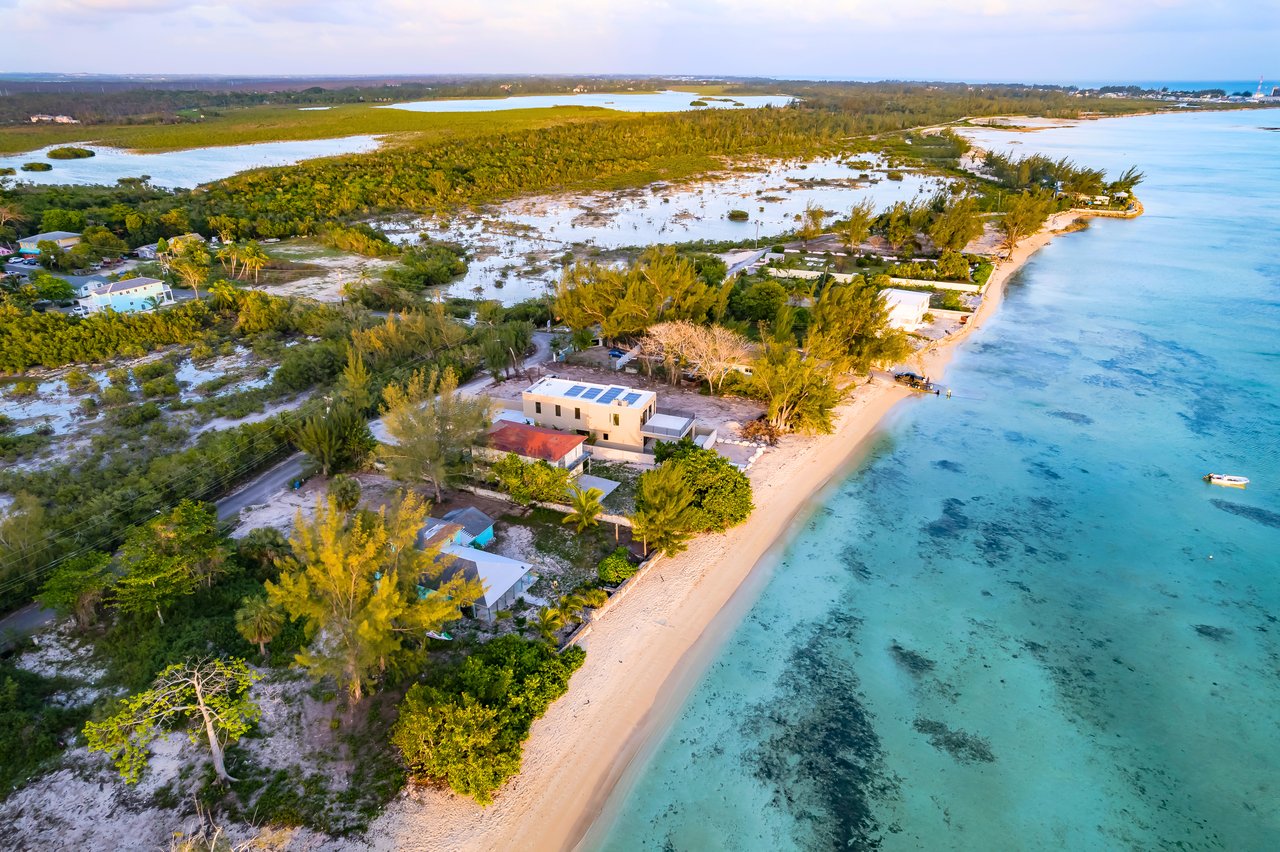
Paradise Island sits just off downtown Nassau on New Providence, connected by two short bridges. That proximity shapes daily life. You enjoy resort amenities, marinas and beaches on the island, while the broader mix of groceries, schools, healthcare and professional services is across the bridge in Nassau.
It is a world-class destination with iconic resorts, a vibrant marina scene and dining that ranges from casual to fine. Tourism is steady year-round with seasonal peaks, which supports strong services but also brings busy periods. Real estate is among the most premium in the Nassau and New Providence market, influenced by international buyers and resort-style offerings.
Daily living essentials
Dining and groceries
On-island, you find upscale resort dining and tourist-focused retail, plus convenient cafes and shops. For a larger selection of supermarkets, local markets and specialty stores, you will cross into Nassau. Many residents plan weekly grocery runs off-island and keep everyday basics close by.
Healthcare access
Routine care, clinics and specialist services are readily available in Nassau, and full hospital services are a short drive away. Full-time residents often build relationships with local providers for continuity. Seasonal owners sometimes arrange temporary care or fly to their home country for specialist needs.
Schools and childcare
Primary and secondary schooling options are in Nassau, including public and private/international schools. The commute from Paradise Island is short, but families should plan around bridge traffic and school schedules. If you are relocating, review enrollment timelines and availability well in advance.
Getting around
You access Nassau by bridge and can use taxis, private drivers, rentals or personal vehicles. Golf carts are common for short trips on Paradise Island. Travel to Lynden Pindling International Airport typically takes 15 to 30 minutes, depending on traffic and your destination on New Providence.
Utilities and internet
Broadband and mobile coverage are available and generally strong in developed areas. Expect normal reliance on national providers. Full-time residents often invest in backup power and simple water contingencies because occasional outages can occur.
Property services
Full-time owners can build a reliable year-round roster of cleaning, landscaping and contractor support. Seasonal owners typically retain a property manager for check-ins, cleaning, maintenance and renter turnover when applicable.
Full-time living on Paradise Island
What you gain
You benefit from seamless access to the best of both worlds: resort amenities on your doorstep and Nassau’s everyday services nearby. Over time, you build trusted relationships with local providers that make maintenance and daily tasks easier. You also gain a clear view of real operating costs and can tailor your home for resilience and comfort.
What to weigh
Tourism activity is part of the rhythm, especially near major resorts and marinas. Baseline living costs can be higher than many inland markets, and you carry year-round responsibilities for hurricane readiness. As on any island, you will plan for the realities of salt air, humidity and ongoing upkeep.
Best-fit properties
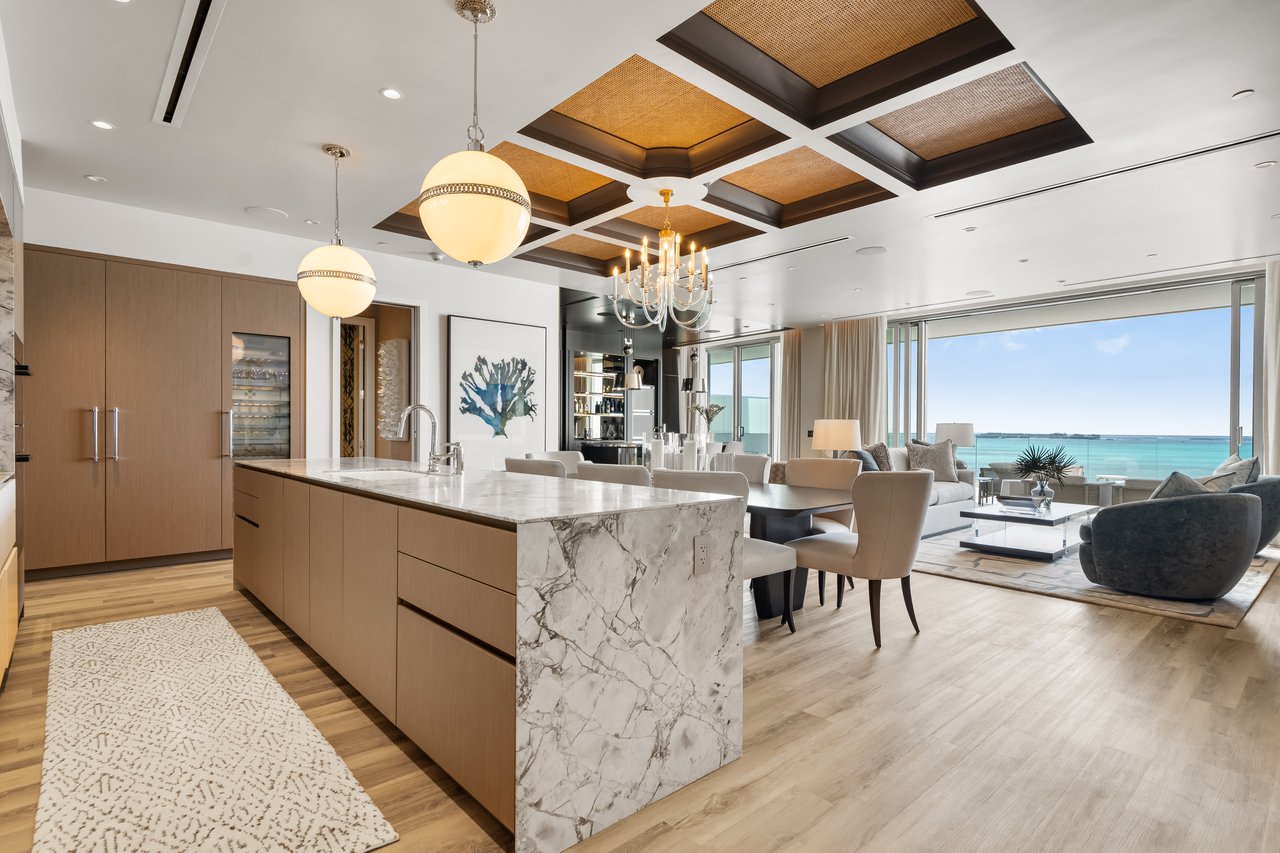
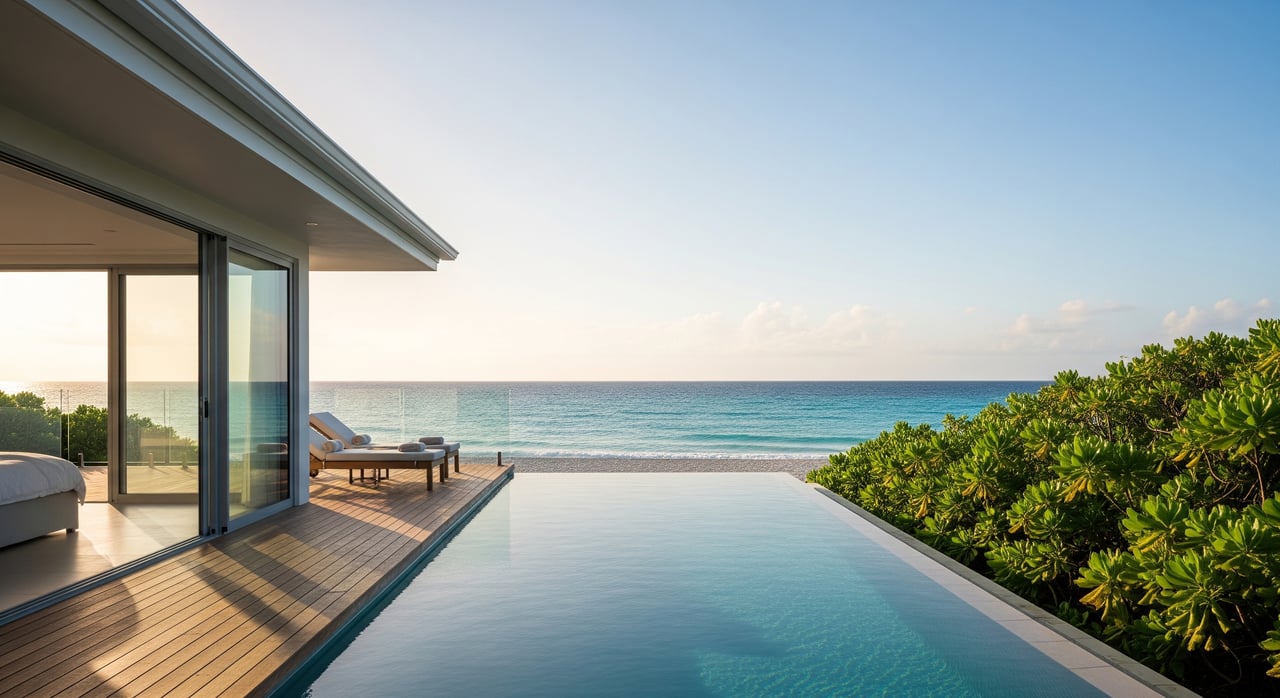
If you value privacy and a sense of neighborhood, beachfront villas, single-family homes or gated estate communities often suit full-time life. Low- and mid-rise luxury condominiums can work well if you prefer managed amenities without full resort intensity. Marina-adjacent homes are a strong fit if boating is part of your routine.
Seasonal or second-home living
What you gain
You can choose your stay windows, leaning into calmer months or peak seasons as you prefer. Many resort condos and branded residences offer turnkey living, strong security and on-site services when you are away. Rental demand can create income potential in permitted buildings and high-demand periods.
What to weigh
You will carry fixed costs year-round, including HOA fees, insurance and property management. You may feel less integrated with local life and can face deferred maintenance risks if the property sits vacant. Make sure you are comfortable with association rules, rental limitations and guest traffic patterns.
Best-fit properties
Resort condos and branded residences deliver convenience, security and access to dining, pools and marinas. Marina residences appeal if you arrive by yacht or entertain boat-owning guests. Some private homes also work well for seasonal use with a strong property manager and clear maintenance plans.
Hurricane season and insurance
Hurricane season runs June through November. Whether you live here full-time or part-time, look for impact-rated windows and doors, resilient roofing, elevated or protected utilities and a clear storm plan. Insurance for wind, hurricane and flood is a key line item. Premiums vary by construction, elevation and proximity to the water, so review coverage and mitigation credits with a local broker.
Ownership, fees and finances
HOA and management costs
Resort and condominium communities typically include monthly HOA fees that cover security, landscaping, pools and building systems. Seasonal owners should budget for year-round fees even when not in residence. Ask for recent special assessments and the capital reserve status to gauge future costs.
Rental rules and taxes
Short-term rental policies vary by building and association. Some permit frequent stays and professional management, while others restrict or prohibit short-term rentals. The Bahamas does not levy personal income tax, but you should plan for transfer taxes or stamp duties at purchase, annual property rates and import duties when furnishing or supplying a home.
Financing, legal and title
Non-resident buyers are common and can finance through local or international banks, though terms may be stricter. Engage a local real estate attorney to confirm clear title, surveys, easements, restrictive covenants and closing costs. If you are exploring residency tied to property, coordinate early with legal and immigration advisors.
Maintenance realities
Salt air accelerates corrosion, and tropical conditions ask more from HVAC and exterior finishes. Budget for proactive maintenance and periodic replacements. A good property manager or trusted contractor network helps prevent small issues from becoming costly repairs.
Quick decision guide
- Family and health needs: If daily school runs, routine care and specialist access matter, full-time living can make sense.
- Privacy versus access: Private estates and villas favor privacy. Branded and resort properties favor convenience and amenity access.
- Tax, residency and business: If relocation is on the table, align property choice with residency options and cross-border tax planning.
- Operational tolerance: If you want a hands-off experience, budget for higher management and HOA costs. If you enjoy involvement, plan for island logistics and upkeep.
Buyer checklist for Paradise Island
Use these questions with sellers, HOAs and your advisory team:
- Do short-term rentals fit the building’s rules, and what approvals or minimum stays apply?
- What are the itemized HOA and utility costs, any recent assessments and the current reserve balance?
- What are the historic insurance premiums and claims, and how available is wind, hurricane and flood coverage?
- What is the condition of building systems and the roof, and what maintenance records or reports are available?
- What are the security arrangements, and how does guest or event traffic flow near the property?
- How long does it take to reach hospitals, schools, grocery stores and the airport from this address?
- For marina access: Is the slip owned or leased, what is the depth and max vessel size, and is customs or immigration support available for visiting boats?
- What zoning restrictions apply, and what is the permitting path for renovations or additions?
- What are the transfer taxes, stamp duties, legal fees and typical closing timelines for this purchase type?
Your next step
Paradise Island can be your everyday home, your perfect escape or both over time. The right fit depends on how you want to live, how hands-on you wish to be and which property type aligns with that vision. MAISON Bahamas provides curated access to the island’s most desirable properties, along with bespoke advisory that includes residency guidance, high-end rental strategy and developer-level insights for complex acquisitions.
For discreet, one-to-one guidance on full-time versus seasonal ownership, connect with Ryan Knowles.
FAQs
What is daily travel like between Paradise Island and Nassau?
- Two short bridges connect the island to Nassau, and most residents use taxis, private drivers or personal vehicles for errands and school runs.
How far is Paradise Island from the airport in Nassau?
- Ground travel to Lynden Pindling International Airport typically takes 15 to 30 minutes, depending on traffic and your exact destination.
How does hurricane season affect owners on Paradise Island?
- Hurricane season runs June through November, so both full-time and seasonal owners should prioritize resilient construction, clear storm plans and proper insurance.
What property types are common on Paradise Island?
- You will find resort condos and branded residences, luxury low- and mid-rise condominiums, beachfront villas, gated estates and marina-focused homes and berths.
Can non-Bahamians buy property on Paradise Island?
- Yes, non-resident purchases are common, though you should expect additional procedures and to engage a local attorney for title, permits and closing costs.
Are short-term rentals allowed in Paradise Island condos?
- Policies vary by building and association, with some permitting frequent short stays and others restricting or prohibiting them, so always confirm rules in writing.
Is Paradise Island suitable for families with school-age children?
- Many families live here and commute to Nassau for school, so you will want to review enrollment options, commute logistics and daily schedules in advance.