Why do some Paradise Island penthouses trade at eye-catching premiums while others, at first glance, seem similar? If you are comparing top-floor listings across the island, it can feel like apples and oranges. You want a clear way to separate true scarcity from shiny finishes. In this guide, you will learn the key drivers that move value on Paradise Island and get a practical checklist to benchmark any penthouse with confidence. Let’s dive in.
Paradise Island context
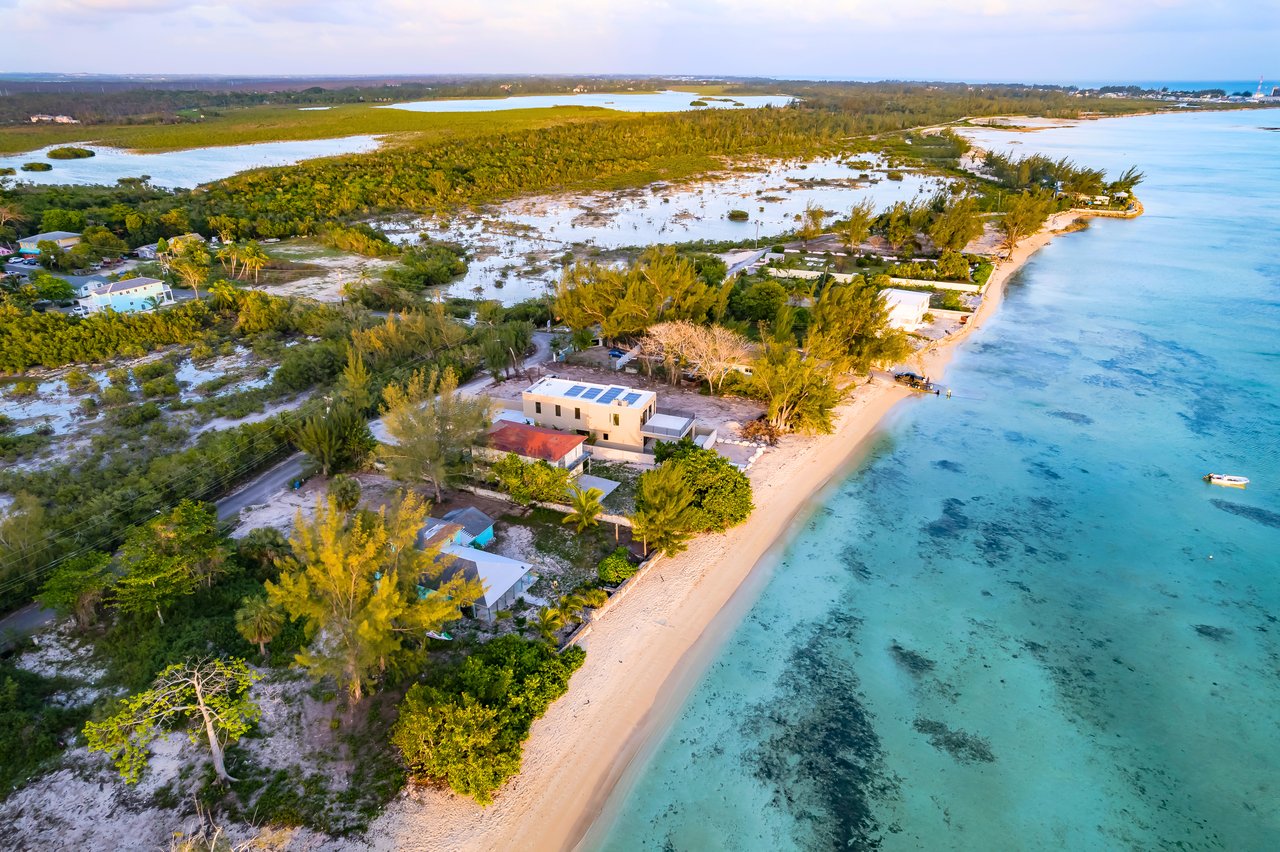
Paradise Island sits just off Nassau on New Providence, connected by bridges and integrated with the island’s airport, services, and financial center. The island blends a resort lifestyle with convenience and privacy many global buyers want. You will also find major hospitality brands, which draw international demand and support pricing for branded residences.
Supply is tight. Land and waterfront parcels are limited, and true penthouse inventory is finite. This scarcity, paired with global interest in turnkey resort living after the pandemic, helps explain why top-floor residences command strong attention.
What drives premiums
View corridor and orientation
Views are the first filter. Open Atlantic horizon views carry strong emotional pull and sunrise exposure. Nassau harbor and skyline views can add appeal, and marina sightlines are meaningful for yacht owners. The long-term question is permanence. Ask for site plans and zoning envelopes for nearby parcels to confirm the risk of future obstruction.
Floor level, layout and ceiling height
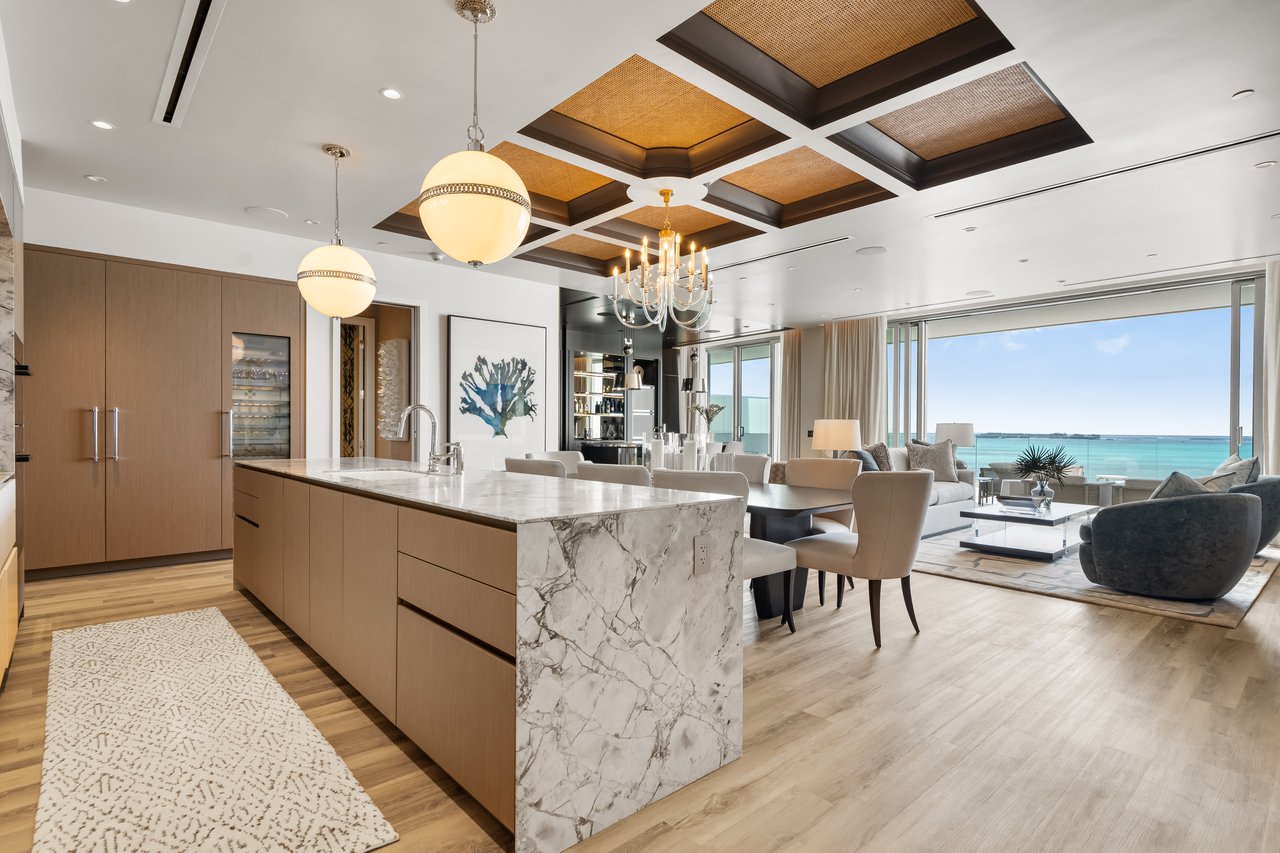
Penthouse status implies top-floor privacy and better acoustics. Floorplans that separate public and private zones, offer flexible rooms, and support entertaining tend to trade well. Ceiling height is a big lever. Double-height spaces or ceilings above typical apartment norms can transform light, volume, and perceived luxury. If a rooftop is part of the home, ensure it has proper headroom for shaded living.
Indoor and outdoor integration
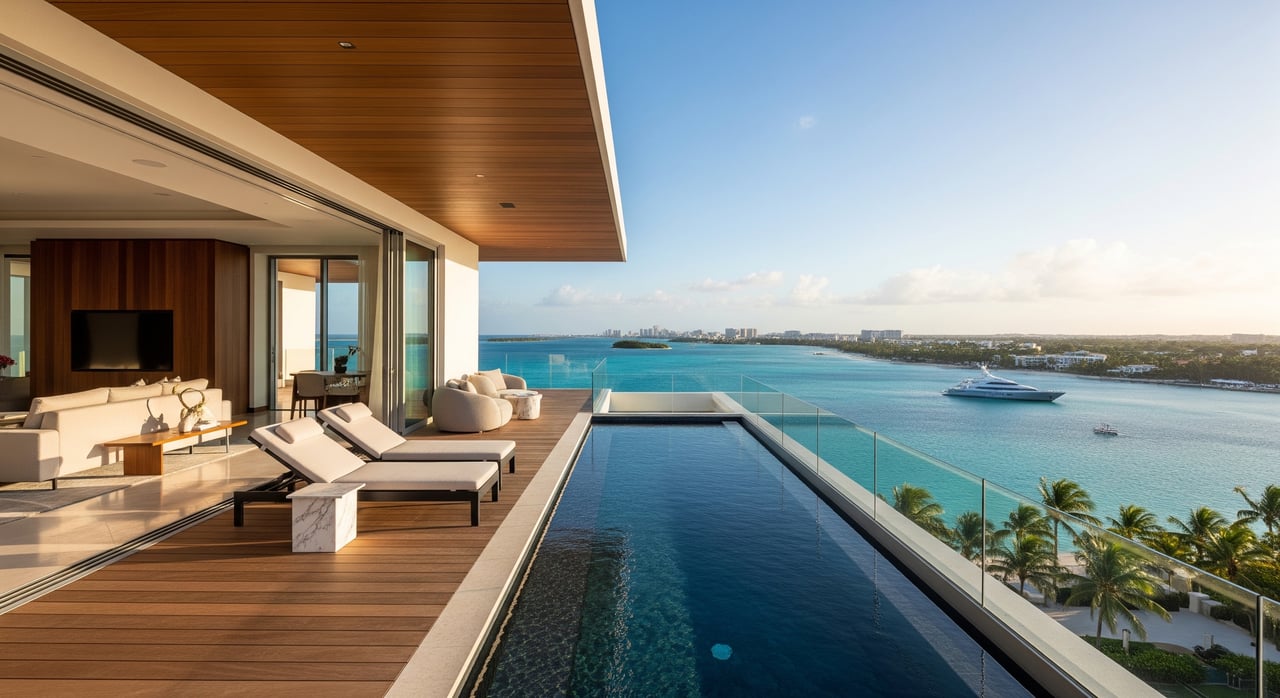
In the Bahamas, outdoor space is living space. Private terraces, rooftop decks, plunge pools, and outdoor kitchens add daily utility. Evaluate exposure and privacy. Wind patterns, sun orientation, and sightlines from neighbors all affect how much time you will actually spend outside. Direct elevator access to a roof or pool level adds convenience and value.
Brand, resort adjacency and management
Branded residences often carry a premium. You are paying for recognition, service standards, and access to facilities, along with professional management and rental programs if available. Terms matter. Ask what owner privileges are included, how the rental program works, and how finishes and operations are controlled. Not all brand premiums are equal. The local track record and contract details shape value.
Marina access and private berths
For yacht owners, direct or priority marina access can be a decisive factor. The real premium lies in convenience, security, and support services, like fueling and crew facilities. Clarify the berth model. Owned and transferable berths typically sit at the top of the value stack.
Amenity tier and service level
Private elevators, 24-hour security, concierge, owner clubs, fitness and spa facilities, and in-residence dining enhance lifestyle and marketability. Balance benefits against carrying costs. Higher service levels often mean higher monthly fees and the potential for special assessments. Focus on the amenities you will actually use.
Privacy, exclusivity and separation
A single-owner floor, private hallways, and discreet service entrances help protect privacy. Operational policies matter as much as walls. Restricted access, owner-only hours, and guest protocols can elevate the experience for you and future buyers.
Construction quality and resilience
Quality finishes and custom craftsmanship influence first impressions, but resilience shapes long-term satisfaction. Look for impact-rated glazing, backup power, and elevated mechanical systems. Well-funded building reserves and a clear maintenance history reduce surprises and can ease insurance discussions.
Scarcity and comparables
True penthouses trade infrequently, and each one is often bespoke. That makes comparables less plentiful and valuations more qualitative. Recent sales within the same brand or similar view and outdoor profiles carry the most weight. Expect negotiation ranges to reflect uniqueness as much as square footage.
A simple valuation framework
Use this quick lens to compare two or more listings side by side:
- Visual: View quality, orientation, and risk of future obstruction.
- Vertical: True top-floor status, layout logic, and ceiling heights.
- Outdoor: Terraces, rooftop function, pool, and real usability under local wind and sun.
- Service: Brand strength, owner privileges, rental program, and management terms.
- Yacht: Berth inclusion or entitlement, and the marina’s service ecosystem.
- Build: Finishes, impact glass, generators, and building reserves.
- Economics: HOA fees, insurance, reserves, recent trades, and time on market.
Your buyer checklist
Request these items for each short‑listed penthouse so you can compare on facts, not photos:
- Full floor plans with interior and terrace square footage, plus ceiling heights and any double-height sections.
- Daytime and dusk photos or video of all view corridors, plus a view-blocking risk analysis for nearby parcels.
- Ownership documents, including the condominium regime and any leasehold elements.
- Condo budget, monthly fees, history of assessments, and the latest reserve study.
- Brand agreement or management contract, including term, owner privileges, rental revenue split, and termination rights.
- Recent comparable sales and the unit’s marketing history, including list-price changes and days on market.
- Marina berth documents that show location, size, ownership or lease terms, and transferability.
- Building insurance claims history and a current insurance premium estimate for the unit.
- Hurricane-hardening details: impact glass specifications, mechanical elevations, and generator capacity.
- Rental performance if applicable, with monthly gross and net figures, occupancy, and owner usage limits.
- Estimated taxes, stamp duty, and closing fees. Confirm contract currency given the Bahamian dollar’s peg to the U.S. dollar.
- Title search and encumbrance report.
Costs, risk and liquidity
Understand ongoing carrying costs early. HOA fees, insurance, and utilities, especially for large terraces and pools, can outpace typical condo budgets. Ask about upcoming capital projects such as roof and waterproofing, elevators, and generator upgrades, then check reserve adequacy.
Insurance exposure is a key variable. Obtain insurer pre-approval and a premium estimate for the specific property. For liquidity, recognize that branded residences often trade more readily than unique non-branded penthouses because they offer standardized services and a broader buyer base.
How to compare value in practice
Start with high-floor luxury comparables in Nassau and Paradise Island to establish a baseline per square foot. Then make qualitative adjustments for view quality and permanence, usable private outdoor area, brand and service package, berth rights, ceiling heights, and special features like private pools. Subtract for immediate capital needs or known assessments. For many ultra-high-net-worth buyers, privacy and finality outweigh strict price-per-foot math, which is why best-in-class penthouses justify premiums.
The transaction landscape
Set expectations for process and timing. Closing periods can run longer than in some other markets due to local conveyancing and title steps. Many buyers use offshore financing or pay cash since local mortgage options for non-residents can be limited. Confirm the contract currency. The Bahamian dollar is pegged to the U.S. dollar, but clarity helps avoid friction.
Work with counsel on stamp taxes, conveyancing costs, and any non-citizen fees since these can materially affect your net number. If you plan extended stays, speak with an immigration advisor, as property ownership by itself does not automatically grant residency. Lastly, confirm any public infrastructure plans or zoning changes that could impact view corridors or shoreline access.
Ready to see how these factors show up in real listings and comps on Paradise Island? Schedule a private, data-driven walkthrough of current options and off-market opportunities with Ryan Knowles.
FAQs
What defines a premium Paradise Island penthouse?
- A combination of unobstructed views, top-floor privacy, usable outdoor space, strong brand or management, resilience features, and documented financials that support long-term ownership.
How important are ocean views versus harbor views?
- Open Atlantic views tend to command the strongest pull, while harbor and marina views add value based on lifestyle fit, especially for yacht owners and evening skyline appeal.
Do branded residences hold value better on Paradise Island?
- Branded residences often trade more easily due to recognized service standards, amenities, and rental programs, though actual premiums depend on the brand’s local track record and contract terms.
What should I verify about hurricane resilience?
- Look for impact-rated glazing, backup power, elevated mechanicals, and a healthy reserve fund, then obtain an insurance quote tied to the specific unit and building.
How do marina berths affect price and liquidity?
- Owned or transferable berths next to the residence can add meaningful value and widen the buyer pool, particularly when paired with quality marina services.
What closing costs should I expect in The Bahamas?
- Confirm current stamp taxes, conveyancing fees, and any non-citizen costs with local counsel since these vary by transaction and can materially affect the final figure.