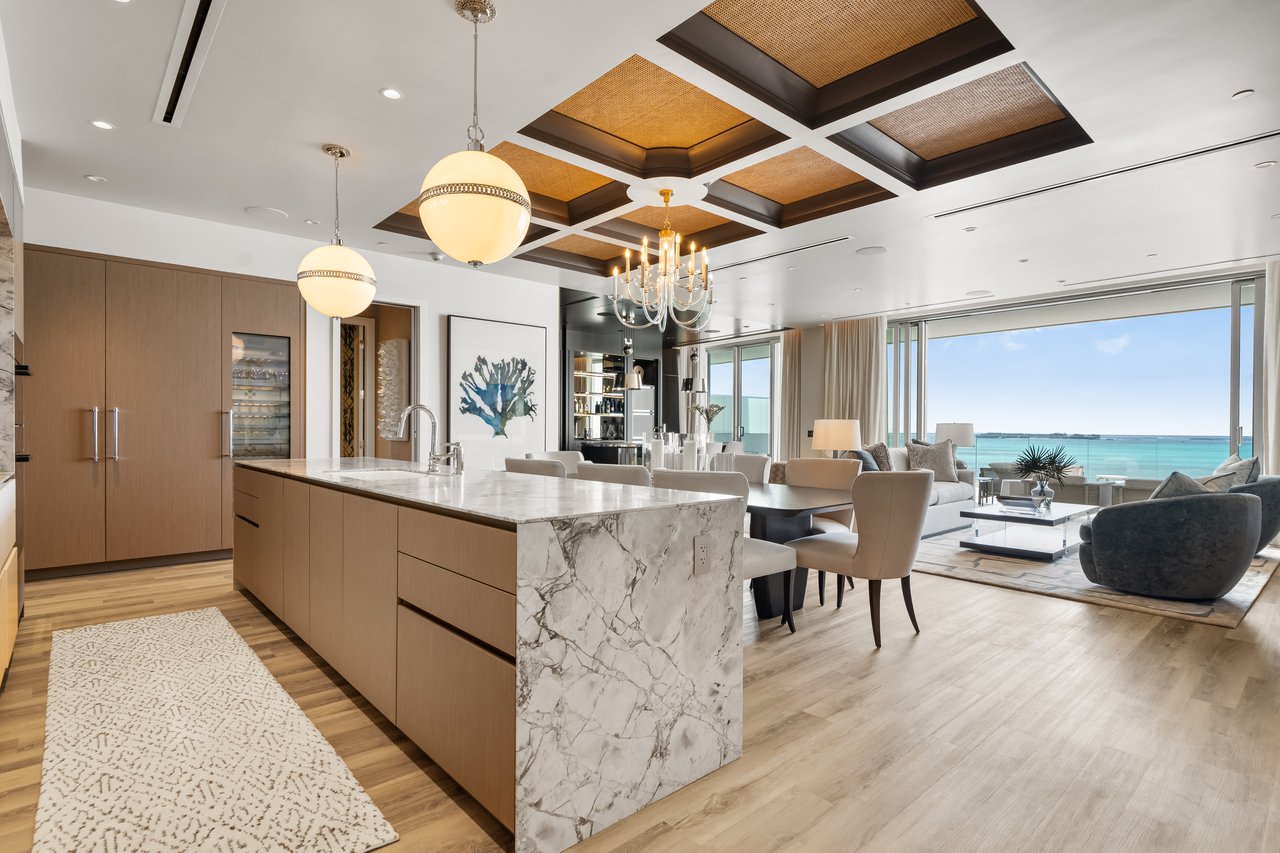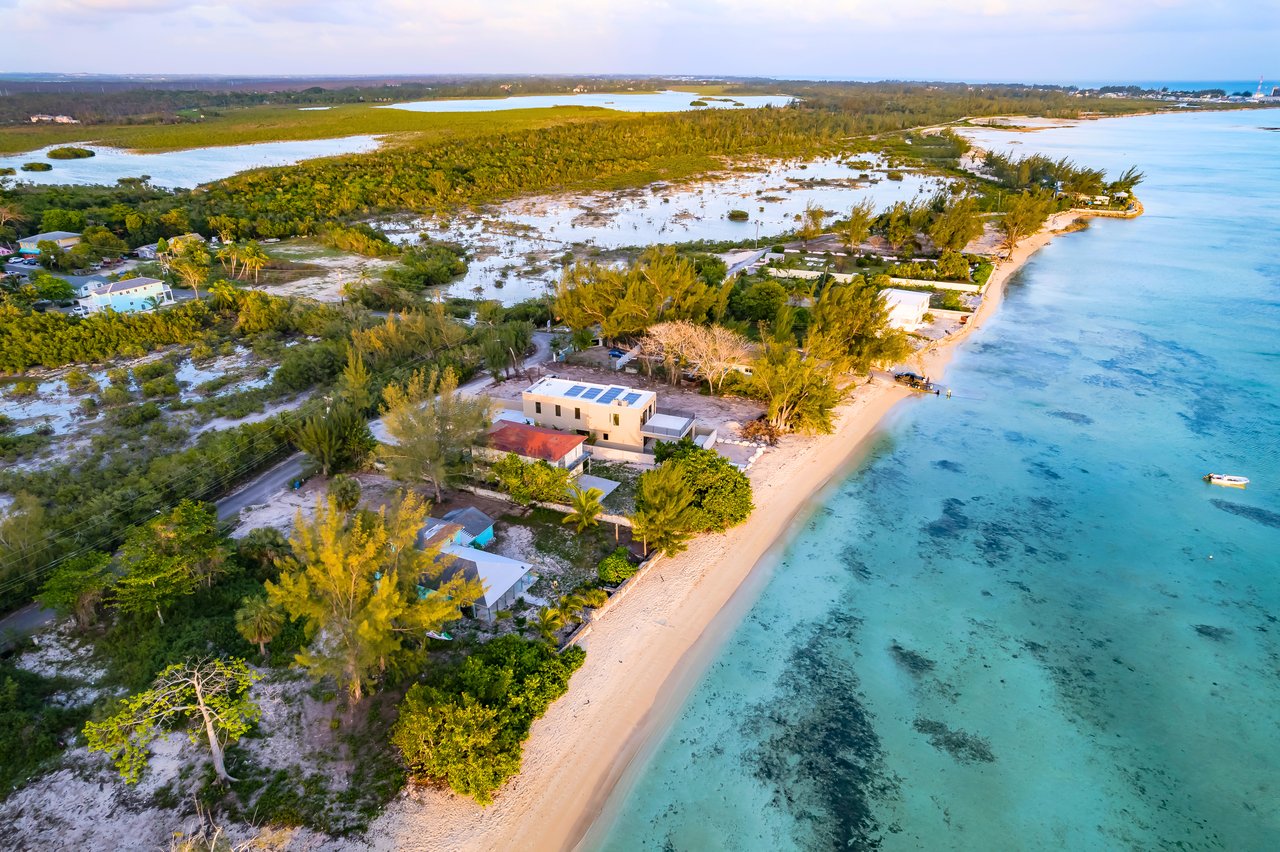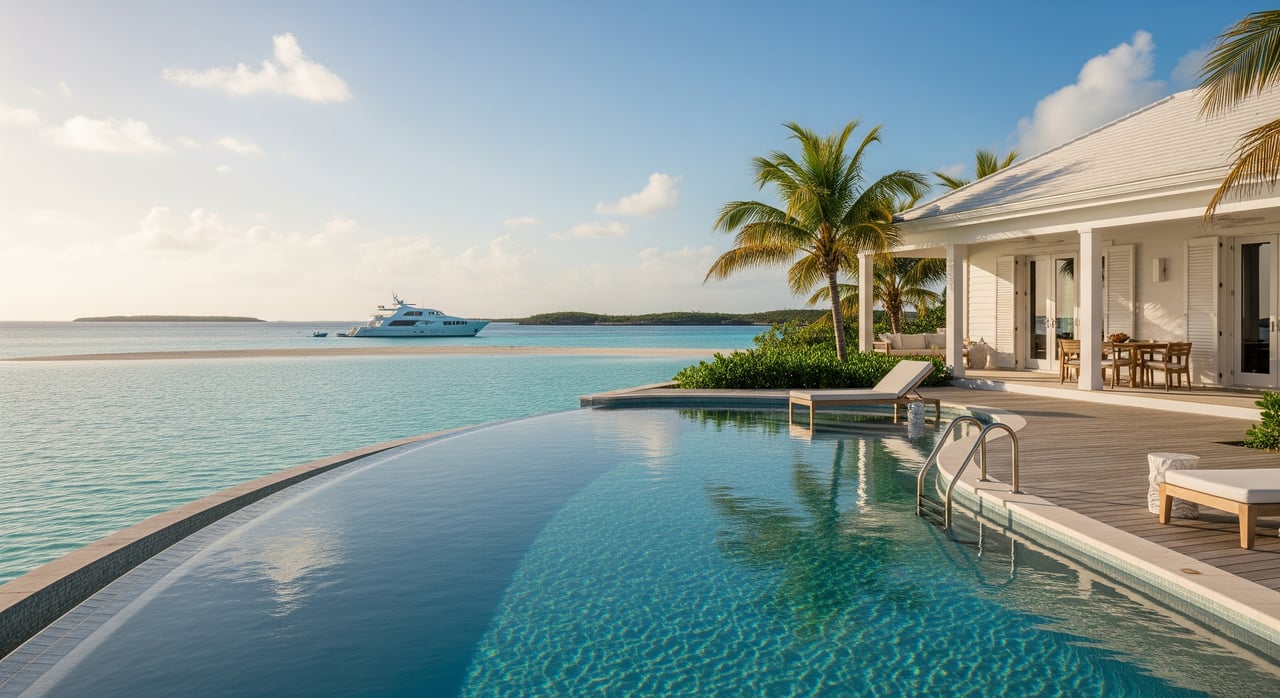
If privacy is your most valuable amenity, the Exuma Cays deliver it in rare form. You want a place where you can arrive quietly, step from jet to yacht to turquoise shallows, and host family or friends without the bustle of a resort corridor. This guide explains why ultra‑high‑net‑worth buyers choose Exuma over other Caribbean markets, how those drivers shape the types of properties that sell, what influences pricing, and the practical factors to weigh before you buy. Let’s dive in.
Exuma’s place in Bahamas luxury
Exuma is the boutique, ultra‑private corner of The Bahamas. Compared with Nassau and Paradise Island, which offer casinos, branded resorts and dense amenities, Exuma prioritizes seclusion and direct sea access. It is also less tourism‑heavy than parts of Eleuthera or Grand Bahama, which helps preserve a quieter atmosphere.
Three qualities define Exuma’s market position for luxury buyers: protected marine environments with exceptional water clarity, a strong yachting culture with natural anchorages and small marinas, and a limited supply of trophy private islands and turnkey villa compounds. That combination is difficult to replicate and is the foundation of Exuma’s premium.
The macro drivers UHNW buyers value
Privacy and experiential seclusion
Privacy is the amenity you cannot build later. In the Exuma Cays, private islands and low‑density shoreline estates let you control access points, guest flow and staff operations. Some properties are reachable only by private boat or plane, which increases exclusivity and reduces transient traffic. If your priority is a true retreat, Exuma’s layout and low development density work in your favor.
Yachting access and marine infrastructure
For many UHNW owners, yachting is central to the lifestyle. Exuma offers numerous natural anchorages and short, protected passages between cays, with established yachting nodes such as Staniel Cay, Compass Cay and Highbourne Cay. Proximity to Nassau and South Florida makes Exuma a practical seasonal homeport. These realities influence demand: estates with deepwater dockage, private slips or the ability to add berths typically command a premium and see steadier interest.
Water clarity and conservation value
Exuma’s crystal‑clear water, coral habitats and protected zones are more than scenic backdrops. The Exuma Cays Land and Sea Park and other conservation efforts help preserve reef quality, which enhances diving, fishing and day‑to‑day visual appeal. Properties that border photogenic shorelines or have access to protected waters often carry higher valuations because the surrounding environment is part of the asset.
Brand signaling and credibility
High‑profile private islands, boutique ultra‑luxury operators and select branded villas create confidence for UHNW buyers. When a market consistently attracts notable owners or announces thoughtful hospitality upgrades, it signals staying power and service depth. The trade‑off is character: large‑scale resort footprints can dilute pure seclusion, so many buyers favor Exuma’s measured, boutique approach.
Ownership, tax and permitting landscape
The Bahamas allows foreign ownership of real estate, and UHNW buyers often use direct title or Bahamian corporate structures for privacy and estate planning. The country is frequently cited for its absence of direct national income or capital gains taxes for non‑residents, though you should plan for stamp duty, legal fees and local property taxes and consult with advisors in your home jurisdiction. In coastal zones, permit processes for docks, dredging and shoreline work can be material to your timeline.
Connectivity and services
George Town’s Exuma International Airport (GGT) provides scheduled commercial links to Nassau and seasonal links to key gateways, while private and charter‑jet access is common. On select islands and remote shoreline parcels, utilities may be private, including generators, desalination and septic systems. The availability of skilled staff, provisioning, medical evacuation and concierge services affects how easily you can use the property and supports top‑tier pricing.
What this means for product and pricing
Property types in highest demand
- Private islands: Trophy assets that prioritize ultimate control and discretion. Buyers expect secure moorings, dependable utilities, staff housing and, in some cases, landing strips.
- Waterfront estates and villa compounds: Large parcels with guest pavilions, staff quarters and private docks. Often presented turnkey for seasonal living.
- Boutique resort villas and buy‑to‑let estates: Hybrid models that offer personal use plus curated rental programs when you are away.
- Yacht support properties: Parcels with pre‑approved dockage or direct access to fuel, provisioning and maintenance for owner‑operators.
How values are set in Exuma
- Scarcity premium: There are only so many prime shorelines and private islands. That finite supply can push values beyond local medians and toward trophy‑sale comparables.
- Amenity and access premium: Deepwater access, private dock rights, proximity to popular anchorages and travel time to an airstrip all move the needle on price.
- Turnkey versus raw land: Fully serviced, permitted estates command a meaningful premium over raw lots because utility and dock development is costly and time‑intensive.
- Lifestyle versus investor lens: Lifestyle buyers prioritize exclusivity, privacy and bespoke services. Investor buyers focus on operational feasibility, hospitality support and yield potential. This split affects pricing expectations and hold periods.
Absorption and how deals get done
Exuma’s top segment addresses a narrow, global buyer pool, so flagship properties can take longer to sell than mainstream homes. When the right match appears, pricing power improves. Successful sales lean on global UHNW networks, luxury broker channels, and targeted outreach across yachting and aviation circles. Catalysts such as new marina infrastructure, improved air links or notable transactions often spark fresh demand and shorten absorption times.
Risks, costs and timeline realities
Climate and natural‑hazard exposure
The Bahamas sits in an active hurricane belt. Severe events can impact structures, insurance pricing and local infrastructure. Many buyers prioritize elevated sites, reinforced construction and resilient systems. Conservative insurance budgeting and contingency reserves are part of sensible planning.
Insurance and operating overhead
Insurance capacity and premiums can shift after major storm cycles, with underwriting influenced by build quality and location. Day‑to‑day operations also carry weight: staffing, maintenance, fuel for generators and boats, logistics and transportation add up and should be built into your total cost of ownership.
Permitting and infrastructure friction
Coastal works such as docks, dredging, and wastewater systems often require environmental review and permits, which can lengthen timelines. Properties off the main grid need reliable power and water systems, whether generator‑based or solar with battery plus desalination. Factor both cost and complexity into your decision.
Market and liquidity considerations
Trophy islands and landmark estates are asset‑specific. During periods of global credit tightening or policy shifts in buyer home countries, demand can pause. That does not change the long‑term scarcity story, but it can affect timing and negotiation leverage.
Due diligence and selection checklist
Physical and environmental
- Confirm site elevation, wind exposure and shoreline stability.
- Review construction standards and hurricane resilience of existing structures.
- Identify nearby protected habitats that may limit future development.
Marine and access
- Verify depth at proposed or existing dock sites and exposure to prevailing winds.
- Check availability of protected anchorages and travel times to yachting nodes.
- Map flight logistics to George Town and onward connections to Nassau or Florida.
Legal and title
- Complete a clear title search and review any easements or rights of way.
- Confirm permit history for docks, seawalls, and structures.
- Understand local zoning constraints before design work begins.
Taxes, fees and closing costs
- Budget for stamp duty, legal fees, property taxes and any customs duties on imported materials.
- Align cross‑border tax strategy with your home‑country advisors.
Operational feasibility
- Assess staffing availability and costs, including management, security and chefs.
- Evaluate supply lines for food, fuel and parts and confirm medical evacuation options.
- Obtain insurance quotations based on construction type and location.
Transaction and financing
- Engage a Bahamian attorney and a local real‑estate advisor with UHNW island experience early.
- Expect longer timelines for coastal permits and logistics, even with cash purchases.
- If financing, confirm lender appetite and structure requirements at the outset.
Who Exuma fits best
Privacy‑first legacy owners
If your priority is a discreet, multi‑generational retreat with controlled access, a private island or low‑density compound in Exuma is a natural fit. The market rewards stewards who value scarcity and environmental quality.
Yacht‑centric owners and operators
If your lifestyle revolves around time on the water, focus on estates with proven deepwater dockage, calm approaches and short runs to anchorages and provisioning. The daily experience is seamless when marine infrastructure is built into your property.
Investment‑minded buyers with hospitality support
If you want optional rental yield, look near boutique hospitality assets or in turnkey villa programs with concierge services. Operational strength and guest services are the levers that support higher nightly rates.
Next steps
Exuma’s appeal comes from a rare mix of privacy, yacht‑friendly geography and environmental beauty. The properties that best express those qualities are limited, and the right guidance is essential. If you are considering a private island, a dock‑ready shoreline estate or an investment with hospitality upside, our boutique team can curate on‑ and off‑market options, coordinate due diligence, advise on residency pathways and manage the details from first look to closing. For discreet access and a tailored plan, connect with Ryan Knowles.
FAQs
What makes the Exuma Cays different from Nassau for luxury buyers?
- Exuma emphasizes privacy, low density and direct sea access, while Nassau offers a higher concentration of resorts, entertainment and urban conveniences.
How does yachting influence property selection in the Exuma Cays?
- Buyers often prioritize deepwater dockage, calm approaches, proximity to anchorages and access to provisioning, all of which support regular yacht usage.
Are there income or capital gains taxes for non‑residents who buy in The Bahamas?
- The Bahamas is frequently cited for no direct national income or capital gains taxes for non‑residents; plan for stamp duty, legal fees and property taxes and seek specialist counsel.
What permitting is required to build or upgrade a dock in Exuma?
- Coastal works typically require environmental review and government permits, which can extend project timelines and add cost; start assessments early.
How do buyers manage hurricane risk on Exuma waterfront estates?
- Owners favor elevated sites, reinforced construction, storm‑rated systems and robust insurance, along with contingency funding for potential repairs.
How liquid are private islands and large compounds in the Exuma Cays?
- The buyer pool is global but narrow, so marketing periods can be longer; catalysts like new marina infrastructure or improved air links can accelerate absorption.