Thinking about selling a private island near Nassau? You already know the asset is rare. What you might not know is how much the right preparation, pricing and distribution can shift your outcome. This guide gives you a clear plan to price with confidence, market globally, and move from first inquiry to closing with fewer surprises. Let’s dive in.
Why Nassau islands command a premium
Islands in the Nassau and New Providence area draw strong attention for one reason above all: access. You are close to Lynden Pindling International Airport, marinas, yacht services and urban amenities. That convenience expands your buyer pool and supports stronger pricing.
Location and access
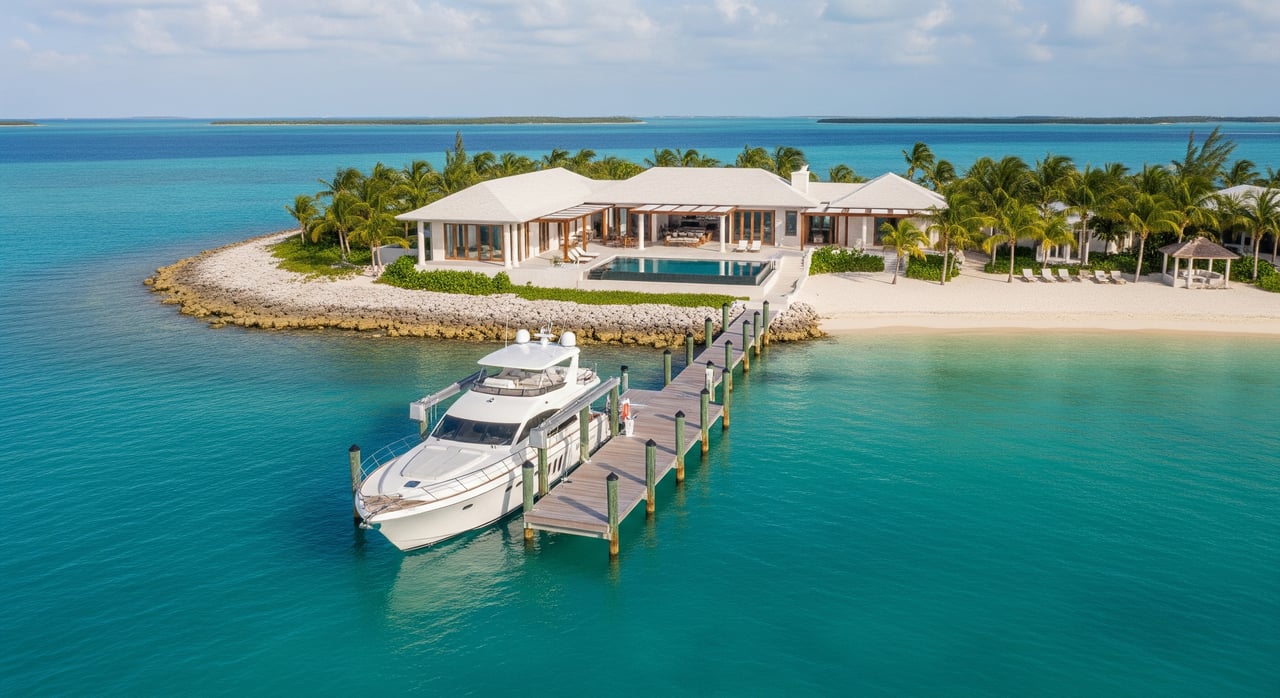
Shorter transfer times from airport to dock boost appeal for UHNW buyers and hospitality groups. Deep-water access, a reliable private dock, and room for a helipad or seaplane pickup can set your island apart.
Usable land and infrastructure
Acreage is only part of the story. Buyers look for the portion above the mean high-water line, the developable footprint, and how easy it is to build. Existing or planned utilities, like potable water, power solutions and wastewater treatment, increase value.
Permits and development potential
Permitted uses, existing approvals and any environmental constraints shape the highest and best use. If your island can support a residence, a small villa compound or a boutique resort, that potential should be documented and packaged for buyers.
Title clarity and encumbrances
Freehold title with clear boundaries is essential. Confirm surveys, rights of way and any encumbrances in advance. Islands with clean, verifiable title trade faster and with less negotiation friction.
How to price your private island
You will not find true apples-to-apples comparables. Treat pricing as a range informed by multiple lenses and expert feedback.
Start with a qualified valuation
Engage a luxury broker and an appraiser with Caribbean island experience. Their view of proximity to Nassau, access, entitlements and infrastructure will anchor your pricing range.
Three valuation lenses
- Market approach: Adjust limited comparable sales for access, utilities and approvals.
- Development approach: Model costs and revenue for an approved concept, then discount back to land value.
- Cost approach: Estimate the cost to create essential infrastructure, then add land value for an early-stage island.
Avoid per-acre traps
Per-acre pricing can mislead if you do not adjust for usable acreage, beaches, elevation and protection status. Buyers pay for function, privacy and ease of use, not raw size alone.
Set an asking range
List slightly above your expected acceptance level to allow room for negotiation. Plan for longer marketing timelines than homes or condos. Six to twenty-four months is common depending on price and uniqueness.
Prepare before you go to market
Preparation is the difference between tire-kickers and serious offers. Package your island like a world-class asset.
Assemble core documents
- Certified title report and latest boundary survey with tidal delineation
- Property tax receipts and any ground lease or easement details
- Environmental and geotechnical studies, even at a summary level
- Planning, zoning and any existing permits
- Utilities assessment for water, power, communications and wastewater
Package the vision
- Conceptual masterplan and architectural renderings for the island’s best use
- Infrastructure plan with cost ranges for dock, power, water and access
- Operational cost outline for maintenance, staffing and security
Create a secure data room
- Information memorandum with maps, studies, photos and key facts
- NDA template and a clear confidentiality protocol
- A vetted list for controlled access once buyers are qualified
Capture it right: visuals
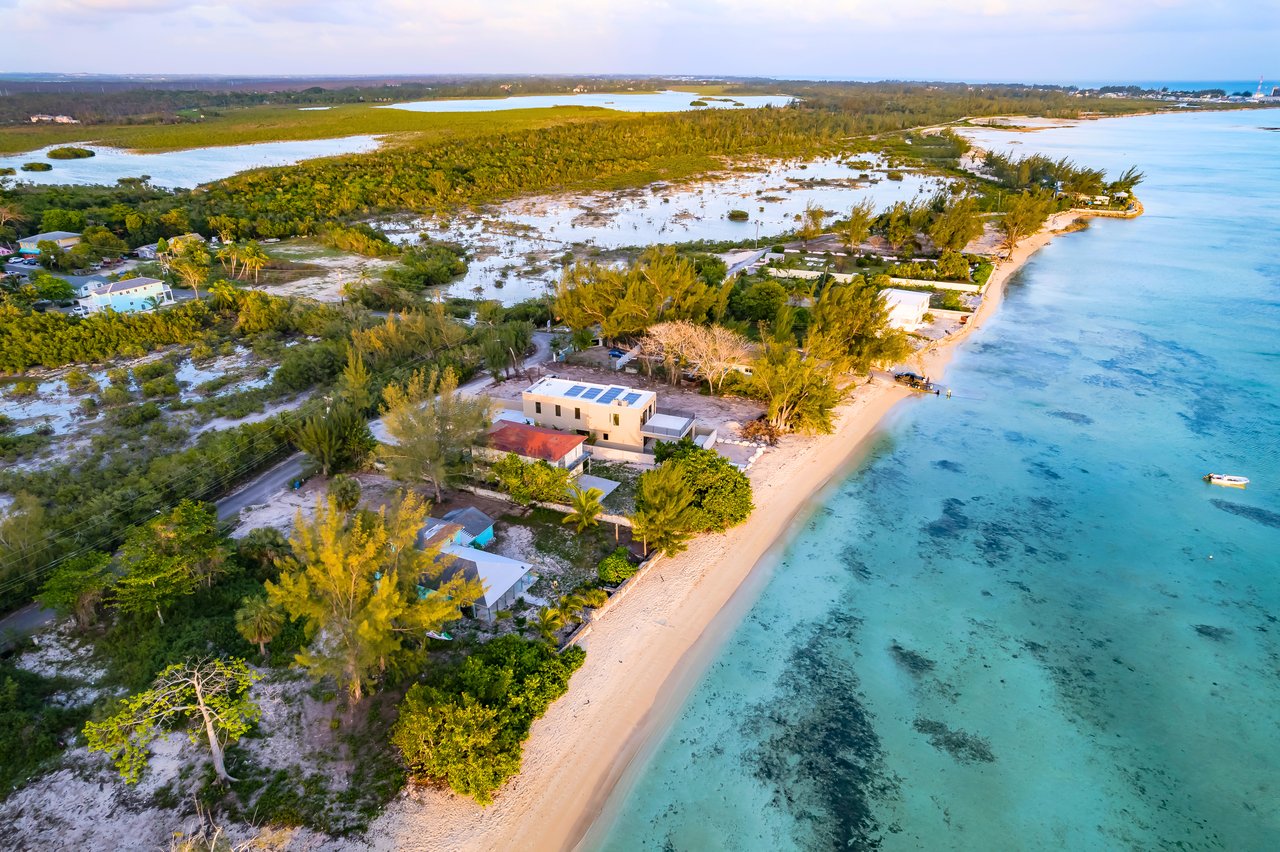
Invest in high-resolution photography, drone video and topographic maps. Many buyers decide whether to visit based on your digital presentation.
Regulatory and tax considerations
The Bahamas is friendly to foreign buyers, yet islands involve layers of permits and environmental care. Plan for early counsel and clear messaging.
Ownership and title
Foreigners commonly hold freehold property in The Bahamas, but parcel specifics matter. Verify title, survey accuracy and boundaries through the appropriate authorities. Islands can include complex tidal and coastal elements.
Planning and environmental
Building, dredging and coastal works usually require approvals, and major projects often need environmental studies. Protected habitats such as mangroves and coral reefs are heavily regulated. Be ready to show responsible stewardship.
Taxes, fees, and AML/KYC
The Bahamas has no personal income tax, capital gains tax or inheritance tax. Transaction costs like stamp duty, legal and registration fees apply. Expect thorough anti-money-laundering and KYC checks at closing.
Residency for buyers
Property purchases do not automatically confer residency. Some buyers will ask about residency-by-investment pathways and permits. Have current guidance available from qualified advisors.
Global marketing that reaches real buyers
The buyer for your island may be in New York, London, Dubai or Singapore. Global reach with targeted, confidential placement is key.
Strategic distribution
Pair local mastery in Nassau with international luxury networks and specialist island channels. Exposure across top-tier broker platforms, curated marketplaces and Forbes-level editorial environments expands qualified demand.
Confidential outreach and vetting
Many sellers prefer a quiet approach. Use NDA-controlled data, off-market previews and direct outreach to family offices, yacht brokers, wealth advisors and hospitality groups. Vet capacity and intent early to protect your time and privacy.
Digital and editorial storytelling
Targeted digital campaigns focused on feeder markets, plus refined narrative and video, help remote buyers engage. Emphasize proximity to NAS, access, beaches, approvals and the development vision.
Events and private networks
Yacht shows, UHNW gatherings and select lifestyle media create high-value visibility. A few excellent placements can outperform broad, unfocused advertising.
Sale structures that work
Your structure should match your island’s stage and your timeline.
Private treaty vs auction
Private treaty is standard for high-value islands, using targeted outreach and controlled disclosure. Auctions can work in specific cases but are less common for confidential, complex assets.
Value-add before listing
You can sell as-is to a cash buyer or invest in permits and partial infrastructure to widen the buyer pool. Pre-development improves marketability but adds time and upfront cost.
Financing expectations
Most island buyers pay cash or use private financing. Traditional mortgages are limited. Be ready to discuss proof of funds and clear settlement mechanics early.
Risk, resilience and what buyers ask
Serious buyers will ask about climate exposure, insurance and operating resilience. Prepare practical answers.
Hurricanes and sea-level
Hurricane season runs June 1 through November 30. Elevation, shoreline protection and reef conditions affect exposure and long-term value. Buyers appreciate credible, site-specific assessments.
Insurance and rebuild
Insurance is achievable but can be complex. Be ready to discuss policy history, deductibles and any storm events, along with rebuild standards that improve insurability.
Utilities and operations
Water typically comes from desalination systems, trucking or specialized supply. Power can be generator-based or hybrid solar. Wastewater usually relies on septic or packaged treatment. Outline logistics, costs and staffing.
Stewardship as a selling point
Conservation covenants, reef-friendly practices and resilient design add appeal for eco-conscious buyers. Green infrastructure can reduce long-term risk and operating costs.
A realistic timeline
Plan for a measured, professional process that respects the asset’s uniqueness.
Pre-sale prep
Allow 1 to 6 months for studies, title clean-up, surveys, visuals and data-room buildout.
Active marketing
Expect 6 to 24 months, depending on price, exposure and approvals. Confidential strategies can move faster with a precise match.
Negotiation to close
Budget 2 to 6 months for due diligence, final surveys, approvals and AML/KYC steps. Complex development elements can add time.
Quick seller checklist
- Title report, updated survey and tax receipts
- Environmental and geotechnical summaries
- Zoning, permits and any approvals
- Utilities and infrastructure plan with cost outlines
- Concept masterplan and renderings
- Aerial imagery, video and topographic maps
- Secure data room and NDA process
- Pricing range and negotiation strategy
- Counsel and broker team aligned on disclosure and closing steps
Next steps
If you own a private island in the Nassau area, the path to a premium result is clear. Price from a position of knowledge, package a compelling vision, and deliver your story to the right global audience with tight confidentiality controls. A boutique, founder-led team with true island mastery and international distribution can make the difference.
Ready to discuss your island and a tailored plan? Schedule a Private Consultation with Ryan Knowles.
FAQs
Can foreigners sell and buyers purchase freehold islands in The Bahamas?
- Yes. Foreign ownership of freehold property is permitted, though parcel-specific details, surveys and any Crown or leasehold elements should be confirmed with Bahamian counsel.
How long does it take to sell a private island near Nassau?
- Longer than standard real estate. Expect 6 to 24 months for marketing, plus 2 to 6 months to close, depending on complexity and price.
What is the best way to price a private island?
- Use a range informed by market, development and cost approaches, anchored by experienced island brokers and appraisers.
Do I need environmental studies before listing my island?
- Not always required to list, but having environmental and geotechnical studies improves credibility and can shorten due diligence.
Are mortgages available for private island purchases in The Bahamas?
- Financing is limited. Most buyers pay cash or use private lenders, especially for development-driven acquisitions.