Should you wake up on your own cay with nothing but sea and sky, or step out to a staffed beach club where your coffee and chaise await? If Exuma is calling, you are likely deciding between the freedom of a private island and the ease of a resort residence. Both are extraordinary, but they deliver very different experiences and obligations. In this guide, you will learn how each option stacks up on cost, infrastructure, lifestyle, risk, resale, and the approvals that shape what you can build. Let’s dive in.
Why Exuma keeps winning
The Exuma Cays form a long ribbon of islands in the central Bahamas known for clear water, coral reefs, secluded anchorages, and a laid-back boating culture. You will hear about iconic stops such as Staniel Cay, the Exuma Cays Land and Sea Park, and the famous swimming pigs. This region attracts buyers seeking privacy, marine access, and a true island rhythm.
The market is a mix of private cays, beach and harbor estates, and resort residences. Inventory can be uneven, which means the right property may require patience. Access ranges from commercial flights into Great Exuma’s airport, followed by boat transfer, to seaplanes or private airstrips on larger cays.
The quick answer: who should choose what
- Choose a private island if you want maximum privacy, full control over guests and design, and are comfortable running or delegating a mini-operation with staff, logistics, and maintenance.
- Choose a resort residence if you value convenience, amenities, predictable running costs, and the potential for managed rental income with less day-to-day oversight.
Both paths can be extraordinary. The right choice depends on how you plan to use the property, how often you will visit, and how involved you want to be in operations.
Costs and ongoing expenses
Purchase price and set-up
Private island pricing varies widely based on size, location, and how developed the island is. A raw cay may appear less expensive, but you will need to budget for docks, utilities, buildings, permits, and staging equipment. A turnkey island commands a premium for its ready-to-enjoy status.
Resort residences usually have a higher price per built square foot, reflecting branded amenities and finishes. Still, your initial set-up is simpler. You step into established utilities, management, and services, which keeps early capital outlay and headaches in check.
Operating and carrying costs
Plan for recurring expenses with either option. Typical line items include staffing, transport and fuel, power generation or grid fees, water and waste management, property management, replenishment of supplies, and insurance. A private island concentrates these costs on a single owner and often requires dedicated caretakers and maintenance. A resort residence spreads many costs across owners through association or management fees, which can feel more predictable month to month.
Infrastructure and logistics
Private island essentials
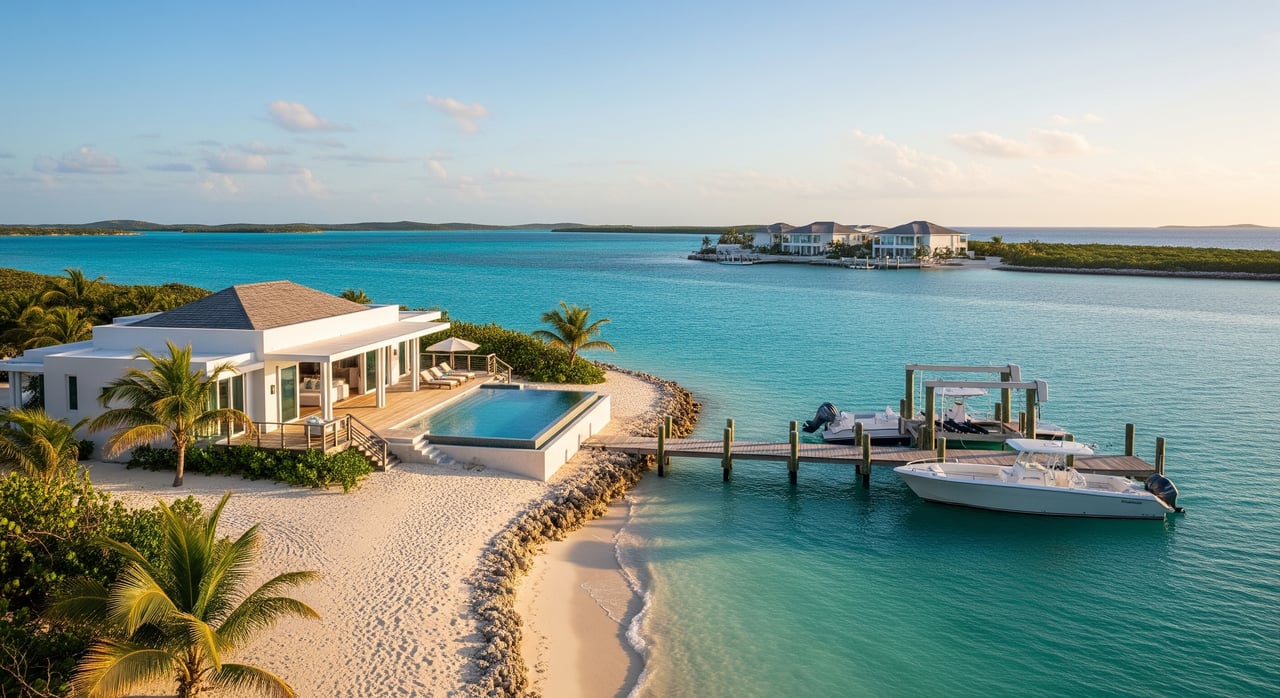
Most private cays require you to build or upgrade basic infrastructure. Power often comes from diesel generators or solar plus battery systems. Water may rely on rainwater harvesting or desalination. Septic systems, satellite or microwave internet, and waste solutions also need to be planned and maintained. You will likely need permits for docks, moorings, or any marine work. Supplies and skilled labor must be brought in, so logistics and scheduling are critical parts of island life.
Resort residence advantages
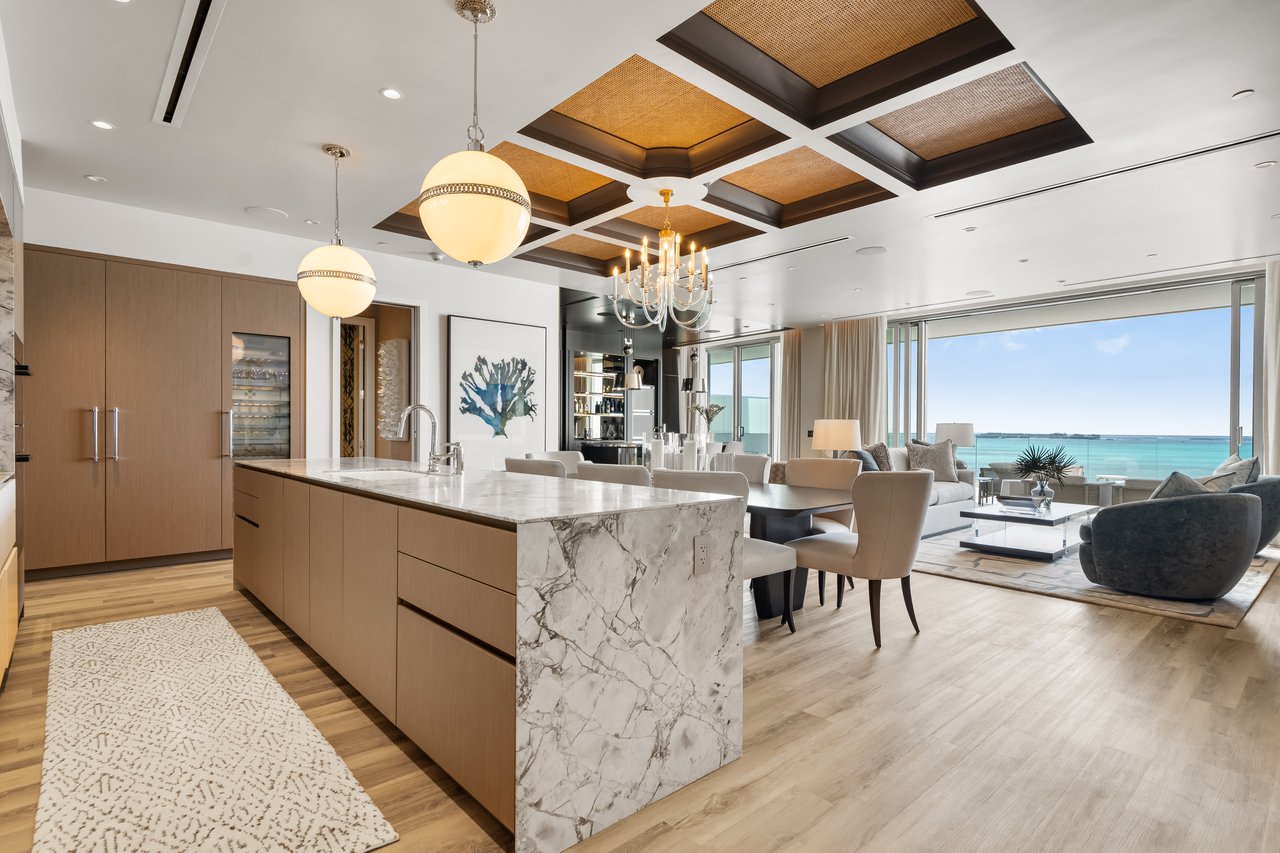
Resort properties deliver plug-in convenience. Utilities are on, hospitality staff are on site, and amenities such as pools, restaurants, and spas are steps away. Many resorts also offer managed rental programs, housekeeping, and concierge services. Access to services, dining, and activities can be a major advantage if you want a low-friction, turnkey lifestyle.
Lifestyle, privacy, and use cases
Private island living
Private islands are about control and seclusion. You decide who visits and when, how spaces are designed, and how your days flow. They are well suited for family retreats, longer stays, or hosting private gatherings. The trade-off is responsibility. You or a trusted manager must oversee operations, schedules, and upkeep.
Resort residence living
Resort residences blend privacy at home with shared amenities and professional service. You can lock the door and leave without worrying about staff scheduling or systems. There is less solitude than a standalone island, but the convenience and predictability make it easier to use frequently and stress-free.
Resale, liquidity, and income potential
Private islands tend to have fewer buyer comparables and a smaller pool of qualified purchasers. The right island can command a premium, but timelines can be longer and liquidity lower. Marketing a truly unique asset takes time and a very targeted approach.
Resort residences are often easier to price and sell because there are standardized floor plans, brand recognition, and clearer comparable sales. If the resort offers a managed program, rental revenue can be more consistent than a private island charter model, which is often seasonal and more hands-on.
Environmental risk and insurance
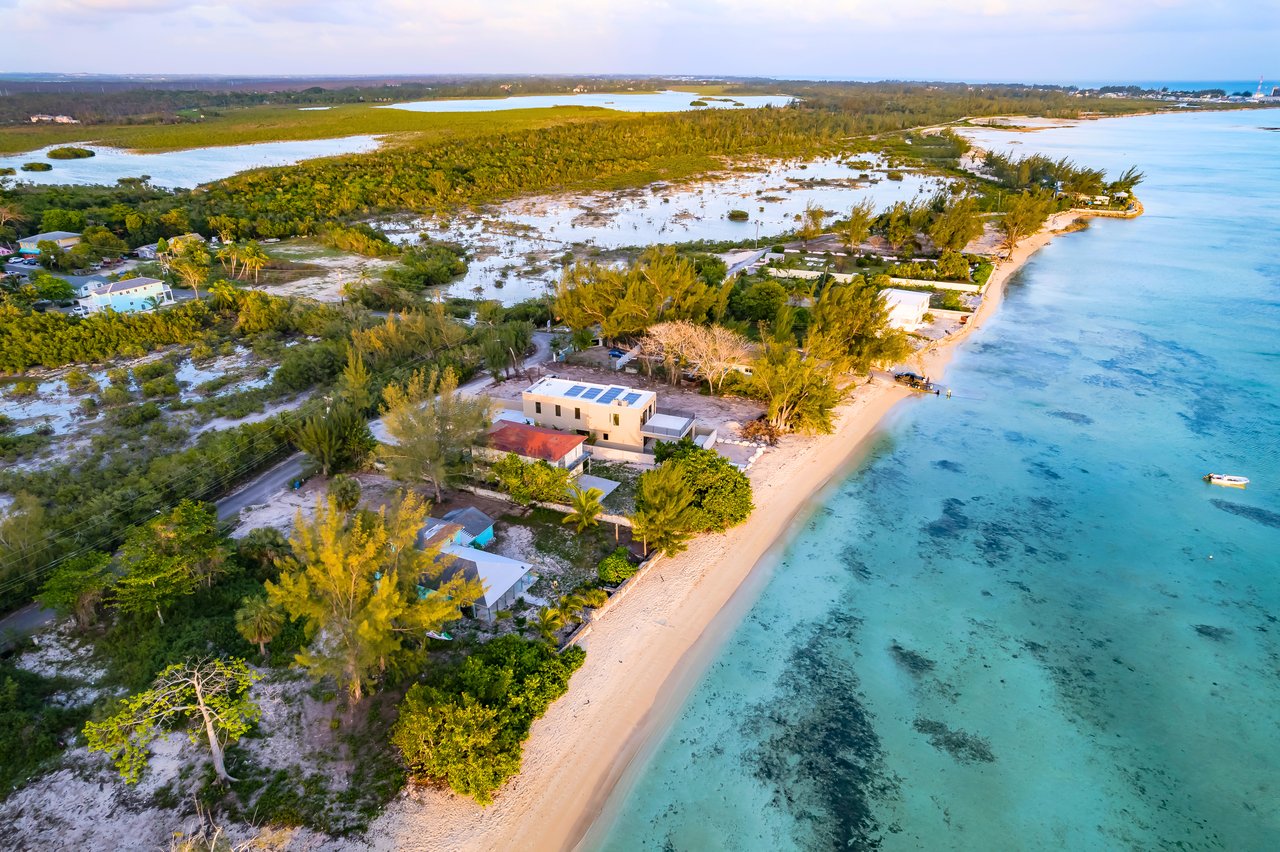
All waterfront properties in the Bahamas face tropical cyclone risk, including wind and storm surge. Insurers may require resilient construction, strict compliance with building codes, and specific elevation or fenestration standards. Premiums and deductibles can be material.
Private islands can face shoreline change and erosion that require long-term planning and maintenance. Resorts typically factor risk management into their design and operations, which can simplify insurance arrangements for individual owners. For any property with boats or marinas, you will also need to consider marine insurance.
Rules, permits, and protected areas
Foreign buyers can own freehold property in The Bahamas. That said, property ownership is separate from immigration status, so plan residency or work permits separately. Hiring Bahamian legal counsel is essential to review title, surveys, restrictions, and any Crown land history or marine concessions.
Any substantial development can require planning permission, building permits, and specific coastal or seabed approvals. Projects that meet certain thresholds may trigger environmental assessments. Timelines vary, especially near sensitive sites. If a property lies in or near the Exuma Cays Land and Sea Park, expect strict rules on development and no-take marine protections. Confirm boundaries and permitted uses early to avoid surprises.
Due diligence essentials for Exuma buyers
Use this checklist before you go under contract or during a formal diligence period:
- Title and boundaries
- Complete title search, including any historical grants or reservations.
- Confirm boundaries and access with a licensed surveyor and GIS mapping.
- Physical and environmental
- Visit at different tides and weather. Inspect shoreline, erosion, and storm exposure.
- Commission an environmental review or full EIA if planning development.
- Utilities and services
- Verify current water, power, telecom, and waste systems. Scope upgrades and costs.
- Check harbor depth, protection, and feasibility of docks or moorings.
- Regulatory and planning
- Confirm zoning, setbacks, and permitted uses.
- Verify whether the site is in a protected area or near sensitive habitats.
- Logistics and access
- Map boat, seaplane, and airstrip options. Note proximity to medical care and supply hubs on Great Exuma.
- Insurance and cost modeling
- Obtain insurance quotes early. Model premiums, deductibles, and coverage terms.
- Build a 5 to 10 year operating budget that includes staff, maintenance, transport, insurance, property taxes, and contingencies.
- Market and resale
- Review comparable sales for islands and resort residences. Understand rental regulations and seasonality if revenue is a goal.
- Assemble your team
- Engage a local attorney, surveyor, marine or structural engineer, environmental consultant, experienced broker, and an insurance broker with Caribbean expertise.
Typical timeline to close
- Search and shortlist: weeks to months, depending on rarity and your criteria.
- Due diligence: 30 to 90 days or longer for complex sites or environmental work.
- Negotiation and agreement: varies based on structure and findings.
- Closing and transfer: dependent on clearing title, government processes, and specialty permits.
Which option fits your vision
If you want a legacy retreat with full design control and the freedom to arrive by boat or seaplane to a place that is entirely yours, a private island will speak to you. Budget for infrastructure and a professional management plan so your time on island is pure enjoyment.
If you want ocean views with spa, dining, and staff at your door, with straightforward ownership and simpler carrying costs, a resort residence may be ideal. You can still personalize your home while benefiting from amenities and predictable service.
What to do next
Whichever path you choose, early planning and the right local team make all the difference. If you would like a confidential discussion of current inventory, off-market opportunities, permitting pathways, or residency options tied to property acquisition, schedule a private consult with Ryan Knowles.
FAQs
Can foreigners buy property or islands in Exuma?
- Yes. Foreigners can own freehold property in The Bahamas. Work with Bahamian legal counsel to confirm clean title and understand any permits you will need. Property ownership does not grant residency by itself.
What are the main costs of owning a private island in Exuma?
- Expect set-up costs for docks, utilities, and buildings, plus recurring expenses for staff, transport and fuel, power and water systems, waste, property management, supplies, and insurance.
How do resort residences in Exuma handle utilities and services?
- Resorts provide on-site utilities and services, along with staff for housekeeping, maintenance, and concierge. Many offer amenity access and managed rental programs.
Are Exuma properties exposed to hurricanes and storm surge?
- Yes. All waterfront properties in the Bahamas face tropical cyclone risk. Resilient design, proper elevation, and code-compliant construction are key to insurability and safety.
What permits are needed to build on a private island?
- You may need planning permission, building permits, and coastal or seabed approvals for docks or dredging. Projects near protected areas or above certain thresholds can trigger environmental assessments.
Is the Exuma Cays Land and Sea Park a development constraint?
- Yes. The Park is a no-take marine protected area with strict rules that can limit or prohibit development. Always confirm whether a property lies in or near the Park before you proceed.
Which option has better rental potential in Exuma?
- Resort residences tied to branded or managed programs usually deliver more consistent rental income. Private island charters can achieve premium rates but are more seasonal and operationally complex.