Picture waking up in Albany with the ocean breeze, a world-class marina a stroll away, and every daily need handled with ease. The question is not whether Albany fits your lifestyle. It is which property type fits you best. In this guide, you will see how condos, marina-front options, and estate homes compare on lifestyle, costs, risk, and resale. By the end, you will have a clear path to the right choice for your life in New Providence. Let’s dive in.
Albany at a glance
Albany is a gated, master-planned community on New Providence that blends resort living with a private neighborhood feel. You get curated amenities, security, and access to services that simplify ownership. Buyers here include Bahamian residents and international owners seeking a primary home, a seasonal base, or a lock-and-leave retreat with strong amenities.
Because Albany spans multiple property types, your decision shapes everything from your daily routine to long-term costs and risk exposure. Start by clarifying how you want to live, how hands-on you want to be, and how you think about boating access and privacy.
Condo living: who it fits
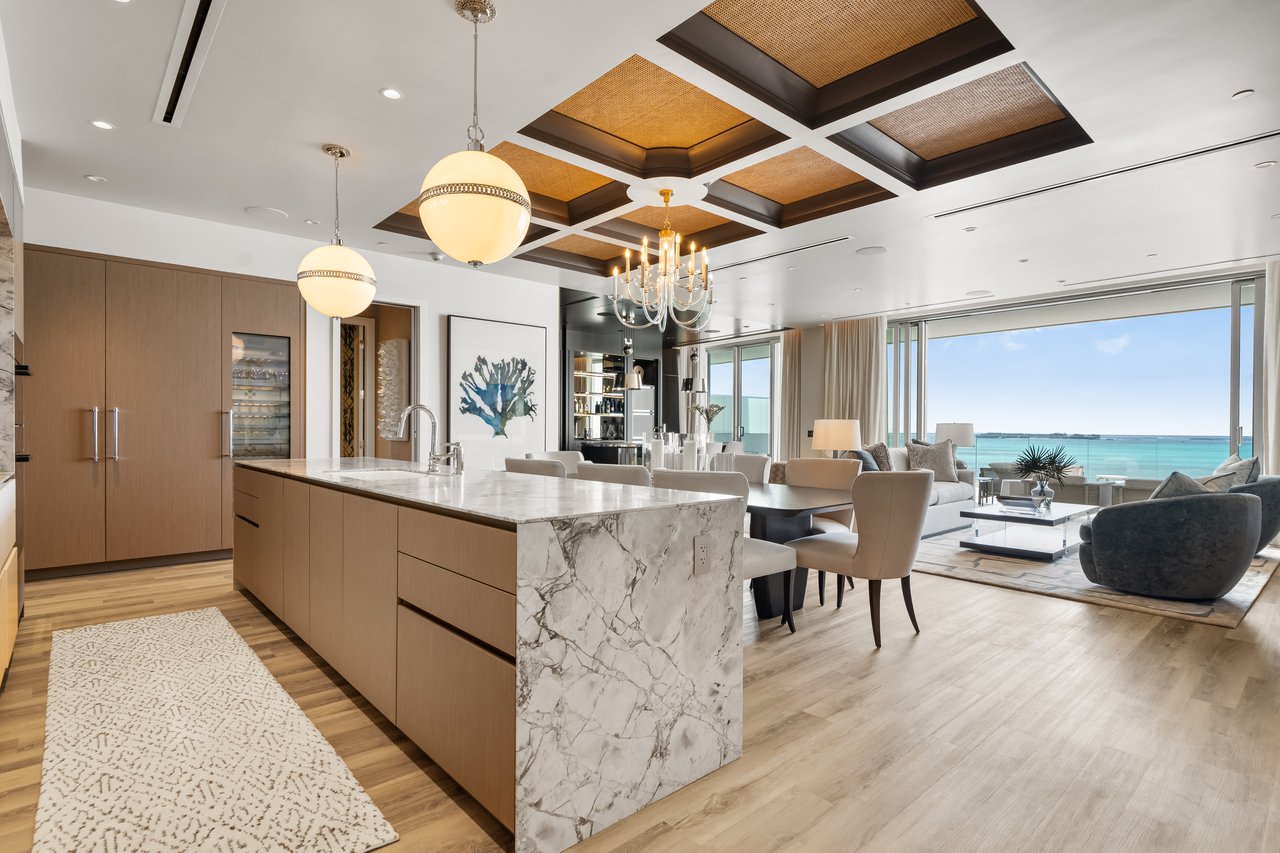
If you value convenience and service, a condominium can be the most effortless way to live in Albany. You own your unit and share responsibility for common elements through a condominium association.
- What you get: concierge and resort services, security, on-site management, and shared amenities. Maintenance is largely handled for you.
- Who it suits: lock-and-leave owners, frequent travelers, and buyers entering the community at a lower price point than standalone estates.
- Key pros: lower day-to-day upkeep, consistent standards, and often stronger potential for seasonal rental if community rules allow.
- Watchouts: monthly condo fees, possible special assessments if reserves are thin, and limits on renovations or alterations.
Marina homes and slips: who they serve
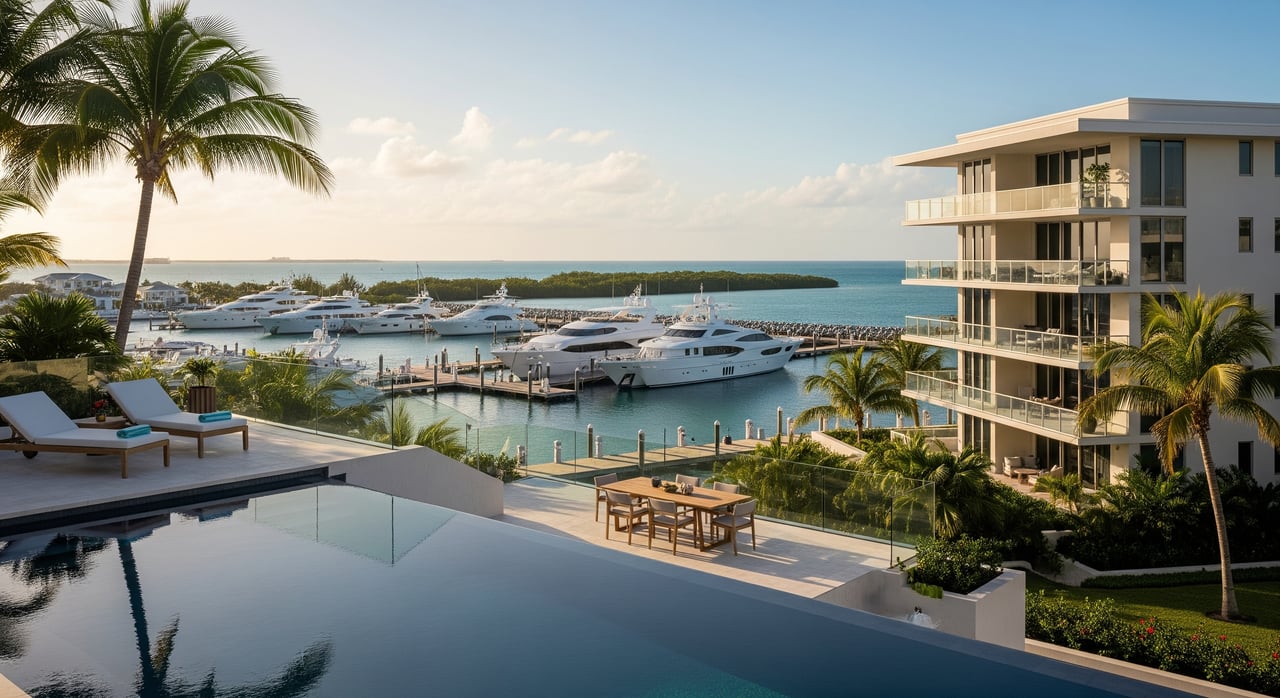
Albany’s marina lifestyle centers on two distinct products: marina-front homes and marina berth or slip ownership or lease. Both target boaters, but they come with different obligations and forms of title.
Marina-front homes: standalone houses or villas with private dock space or direct marina access. These offer a seamless flow from home to water.
Marina slips: berths can be owned or leased depending on development rules, and may or may not transfer with a residence. You will want clarity on ownership model and use rights.
Key pros: direct water access, marina services, and a unique lifestyle for yachting owners. These properties can command a premium with the right buyer.
Watchouts: higher exposure to storm surge and saltwater corrosion, ongoing berth fees, potential dredging or maintenance assessments, and more complex regulations on use.
Tip: For slips, confirm depth, navigational access, and whether commercial chartering is permitted under marina rules.
Estate homes: space, privacy, control
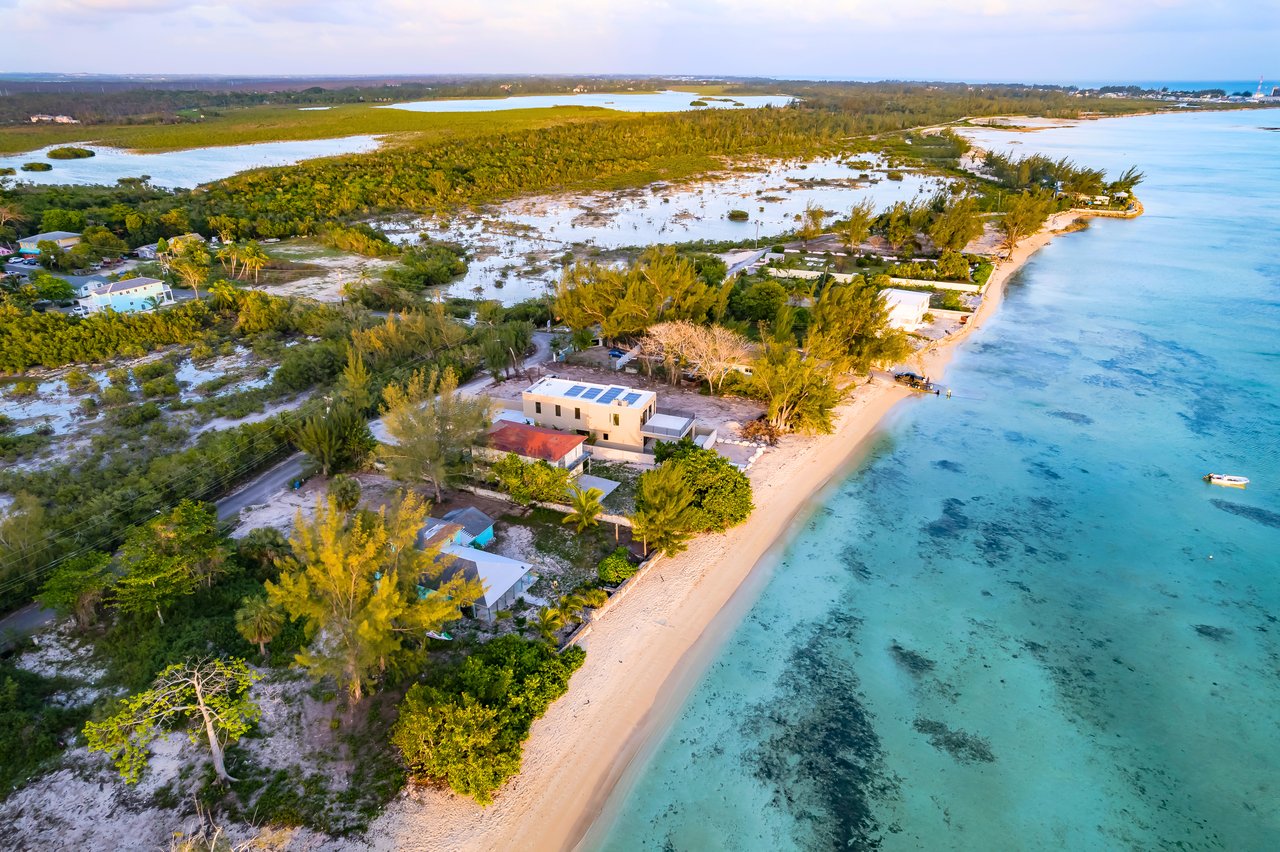
Estate homes within Albany are standalone single-family properties on larger lots. They are ideal if you want privacy, personalization, and room to entertain.
- What you get: more space inside and out, potential for guest suites or outbuildings subject to covenants, and greater control over design choices.
- Who it suits: owners seeking a legacy property, large gatherings, or long-term residency with room to grow.
- Key pros: privacy and customization, plus potential for significant appreciation if the lot, orientation, and location are desirable.
- Watchouts: higher maintenance and insurance costs, more hands-on upkeep, and typically higher annual property taxes versus a condominium.
Lifestyle tradeoffs at a glance
- Convenience: Condos lead. Estate homes require more management. Marina homes sit in the middle but add marine upkeep.
- Privacy: Estates lead. Condos are more communal. Marina-front homes vary by lot and orientation.
- Boating: Marina-front homes and slips lead. Condos without assigned berths rely on marina access subject to availability and rules.
- Flexibility: Estates offer greater freedom for customization, subject to community covenants and approvals.
Costs and fees to expect
Your total cost of ownership will vary by property type and by specific home or slip. Plan for these categories and verify current figures with your attorney and accountant.
- Purchase costs: legal fees, title search and registration, government transfer taxes or stamp duty, surveys, and customary commissions.
- Ongoing costs: annual property taxes, HOA or condo fees, insurance premiums, utilities, landscaping or pool service, and reserve contributions. For marina properties, factor in berth fees, corrosion-related maintenance, and any dredging or infrastructure assessments.
- Special assessments: If a condo association or HOA faces large capital projects and reserves are low, you could see one-time assessments. Review budgets and reserve studies closely.
Because taxes, fees, and policies can change, rely on up-to-date documents from the community, your attorney, and local government sources before you commit.
Risk, hurricanes, and insurance basics
New Providence is in a hurricane-prone region. Your risk profile and insurance strategy should reflect property location, elevation, and construction.
- Higher exposure: Waterfront and low-elevation sites face greater risks from storm surge and flooding. Marina infrastructure is especially vulnerable to wave action and saltwater.
- What to assess: finished floor elevation, coastal setbacks, seawall or bulkhead age and condition, historical flood maps, and whether a property is in a designated flood zone.
- Insurance to consider: homeowners coverage that includes windstorm or hurricane, percentage-based deductibles for named storms, and marine insurance for vessels and slips.
- Premium drivers: impact-rated glass, reinforced roofs, elevated mechanical systems, and other resilient features can improve insurability and help manage premiums.
Before you offer, request insurance quotes from multiple brokers and verify coverage availability for the specific address, structure type, and any marina components.
Financing for global buyers
Local Bahamian banks lend to residents and non-residents, though foreign buyers often face larger down payments and different terms. Many international buyers purchase in cash or secure financing through foreign institutions.
Ask lenders about:
- Maximum loan-to-value for non-resident borrowers
- Required documents and timeline for pre-approval
- Mortgage currency options and rate structures
- Financing eligibility for marina slips or leasehold interests
Align your financing plan early so you can move quickly when the right property surfaces.
Rental and resale considerations
Your exit strategy and income goals should shape what you buy.
- Condos: Broad appeal to vacationers, downsizers, and investors. If short-term rentals are allowed, condos can offer streamlined operations through on-site management.
- Marina homes and slips: Appeal to a narrower buyer pool of boat owners. The right frontage and protected access can support premiums, but resale timing may be more sensitive to yachting demand.
- Estate homes: Attract privacy-minded buyers who value land, orientation, and design. Resale depends on lot quality, architecture, and maintenance history.
Always verify rental policies, any required management programs, and marketing restrictions. If rental income matters, request historical occupancy and seasonal demand data for the community.
Smart buying checklist
Use this due diligence list to make a confident decision:
- Title and ownership: confirm freehold vs leasehold, condominium title, and whether any marina slip is owned or leased and transferable.
- HOA/condo health: review budgets, reserve studies, special assessment history, and any ongoing litigation.
- Marina documentation: verify berth dimensions, guaranteed water depth, dredge easements, and navigational access rules.
- Surveys and inspections: obtain an up-to-date survey; inspect seawalls, docks, roofs, windows, and storm-mitigation features.
- Insurance: secure quotes for both property and marine coverage, including hurricane deductibles.
- Financing: confirm lender terms, down payment, and timing; clarify eligibility for any separate marina components.
- Rental policy: confirm short-term rules, approved management programs, and any revenue-sharing requirements.
Preparing to sell in Albany
If you are listing, position your property with clarity and confidence.
- Documentation: assemble HOA and marina rules, reserve studies, warranties, and maintenance records. Highlight recent upgrades and resilience features.
- Visuals: invest in editorial-quality photography that showcases lifestyle elements alongside practical assets like storm shutters, impact glass, or upgraded docks.
- Narrative: speak to the right buyer. For condos, emphasize convenience and services. For marina homes, highlight protected access and berth specs. For estates, spotlight privacy, design pedigree, and outdoor living.
Which Albany home is right for you
If you want minimal upkeep and hotel-like services, a condo likely fits. If boating is central to your life and you want your yacht steps from your door, a marina-front home or a separate slip can be the right play. If you want privacy, garden space, and control over design, focus on estate homes.
No matter your path, the best decisions come from on-the-ground experience and precise due diligence. Walk the docks. Tour at different times of day. Read the covenants. Review reserves and insurance. Then act with confidence.
Ready for tailored guidance on Albany’s best options and off-market opportunities? Schedule a Private Consultation with Ryan Knowles and get a discrete, end-to-end advisory built around your goals.
FAQs
What is the main difference between an Albany condo and an estate home?
- Condos emphasize convenience and shared services with less maintenance responsibility, while estate homes offer more space, privacy, and customization but require more hands-on upkeep and typically higher ongoing costs.
How are Albany marina slips typically handled in a purchase?
- Slips may be owned or leased depending on community rules; some transfer with a residence and others are separate instruments. Always confirm title, transferability, depth, and maintenance obligations before you offer.
What hurricane and flood risks should Albany waterfront buyers review?
- Check property elevation, flood zone status, seawall or bulkhead condition, and marina protection features. Obtain insurance quotes early and confirm availability of windstorm and marine coverage for the exact property.
Are short-term rentals allowed for Albany condos and homes?
- Policies vary by building and HOA. Verify rental rules, any required management program, and marketing restrictions directly in the association documents before assuming rental income.
How do ongoing costs differ among condos, marina homes, and estates?
- Condos include monthly association fees that cover shared services and reserves; marina properties add berth fees and potential dredging costs; estates incur higher private maintenance, landscaping, and insurance, especially for waterfront lots.
What should foreign buyers know about financing in The Bahamas?
- Local banks lend to non-residents with different terms than residents, often with larger down payments. Ask lenders about LTV limits, required documents, currency options, and whether marina components are financeable.